A deposit, not a charge
Ofgem opened a consultation on 29 July that changes what it takes to hold a place in Britain's electricity connection queue, and the detail that matters most is that the money comes back. The proposed Data Centre Commitment Fee would be paid by large data centre developments when accepting a connection offer, refunded when the project reaches energisation, and forfeited if the project exits the queue early. The proposed range is 237,500 to 712,500 pounds per megawatt, which Ofgem describes as around 2.5 to 7.5 percent of average project costs.
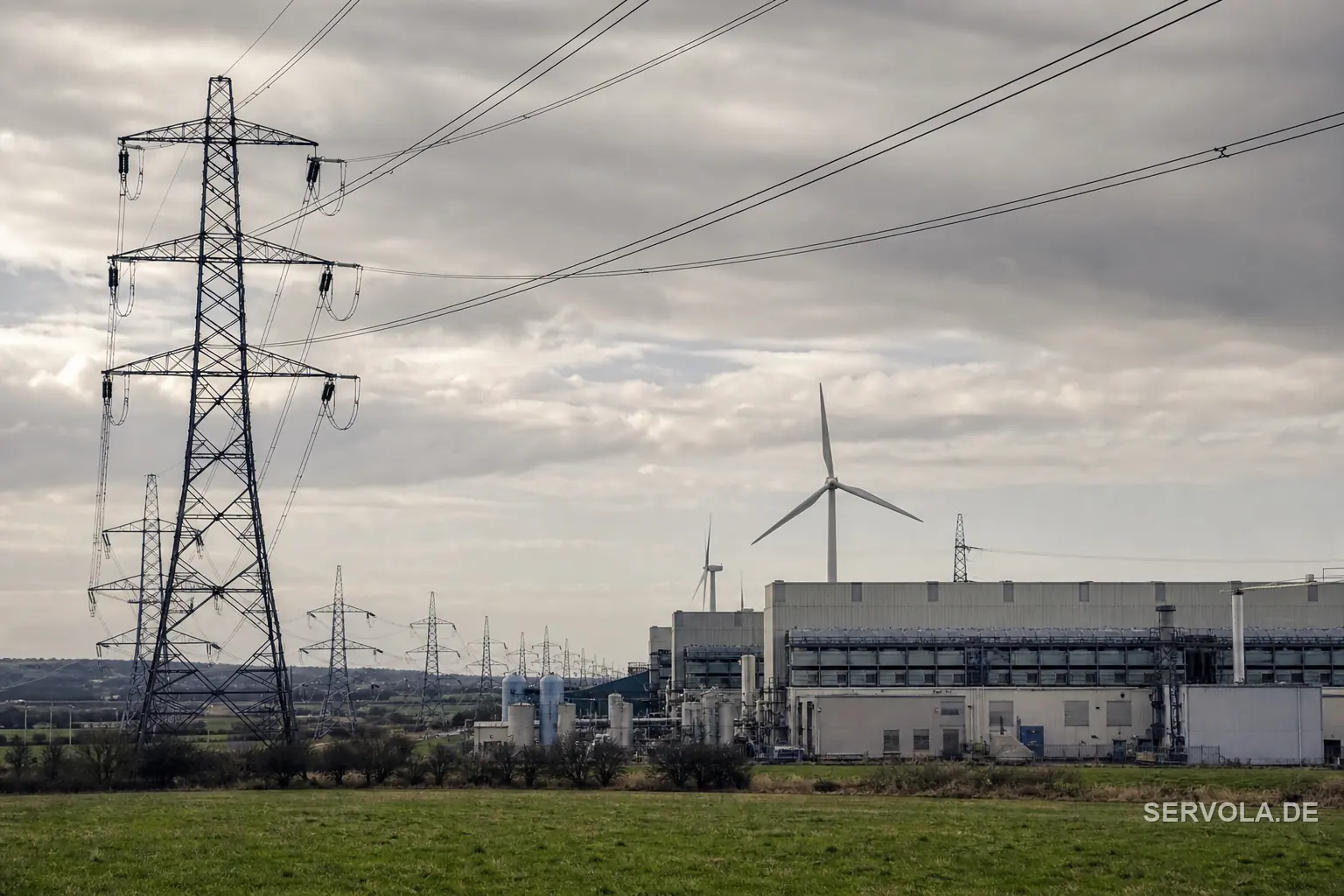
The pressure behind it is a queue that grew faster than the grid behind it. Ofgem says demand connection applications rose from 41 gigawatts to 125 gigawatts in under a year, and attributes at least 80 gigawatts of that to data centres, while the consultation itself references a figure closer to 73 gigawatts. Eleanor Warburton, the regulator's Director for Energy System Design and Development, put the case plainly: "Britain's electricity demand connections queue has more than tripled in size in less than a year, and consumers should not bear the risks created by speculative projects."
Why it matters: the fee sits inside a wider Demand Connections Reform programme run with DESNZ and NESO, built on three pillars Ofgem labels Curate, Plan and Connect, and it arrives alongside data centre specific queue milestones that test financial capability, commercial maturity and procurement activity. Consultation closes 16 September 2026. Nothing is settled, and the design of the fee is exactly what is open to argument.
Both ends of the range hide one number
Ofgem gave the fee twice, once in pounds per megawatt and once as a percentage of average project cost, and the two descriptions can be checked against each other. Take the bottom of the range: 237,500 pounds divided by 2.5 percent implies an average project cost of 9.5 million pounds per megawatt. Take the top: 712,500 divided by 7.5 percent implies 9.5 million pounds per megawatt. The same number, from both ends.
That is not a coincidence, it is the construction. The fee is three times larger at the top of the range than the bottom, and the percentage is three times larger too, so the whole range is pegged to a single assumed capital cost. On that assumption a 500 megawatt scheme is a project of roughly 4.75 billion pounds, and the deposit on it runs from 118.75 million to 356.25 million.
The consequence: the fee is a fixed proportion of the thing it is supposed to test. A cheaper build per megawatt does not pay proportionally less and a gold-plated one does not pay proportionally more, because the percentage was set against an average rather than against the applicant's own numbers. Whoever sits furthest from that 9.5 million pound average carries the least representative deposit.
What a refundable fee can and cannot filter
A deposit that is returned in full at energisation is not a charge on speculation, it is a test of who can afford to leave money idle. The developer who posts 356 million pounds and waits several years for a connection loses the use of that capital, not the capital itself. That is a real cost, and it is a cost that falls entirely on the balance sheet rather than on the quality of the plan.
Which is why the instrument cannot do the one job its framing implies. A speculative project backed by deep capital passes. A serious, well-engineered, fully tenanted project run by a mid-sized operator that cannot strand nine figures for years does not. Ofgem's stated target is the speculative applicant; the filter it has reached for reads balance sheets, and those two populations overlap only by accident.
Yes, but: the fee does not travel alone. The queue milestones on financial capability, commercial maturity and procurement activity are a genuine viability test, and they are the part of the package that can actually distinguish a real project from a placeholder. Read the milestones as the filter and the fee as the enforcement, and the design reads more coherently than the fee does by itself.
The clause that rewards staying put
The forfeiture term deserves more attention than it has had. The fee is lost if the project exits the queue early, which means that on the day a developer concludes its scheme no longer works, walking away crystallises a loss of up to 356.25 million pounds and sitting still does not. An instrument introduced to free capacity contains a term that makes releasing capacity the expensive option.
That tension is not fatal, because the milestones give Ofgem a route to remove a project that stops progressing, and a developer holding a slot it cannot use will eventually fail one of them. But the direction of the incentive is worth naming while the consultation is open: the deposit rewards holding on, and only the milestones push the other way. Which of the two moves faster in practice will decide whether 125 gigawatts of applications ever becomes a shorter queue.
The bottom line: if any part of your infrastructure roadmap depends on new British capacity from 2027 onward, the question to put to a supplier this quarter is not how much power it has applied for but which stage its application has reached, and what it would cost that supplier to withdraw. Ofgem says earlier reforms have already accelerated around 7.8 gigawatts of projects by an average of six years, so this queue does move. It moves for the applicants who can prove they are ready, and it is about to start charging everyone else for the privilege of waiting.
Read next: The Grid, Not the Chips, Now Caps Britain's AI Buildout | NESO Faces a Whistleblower Probe as Risk Reports Lapse