Three Companies, One Checkout Complaint
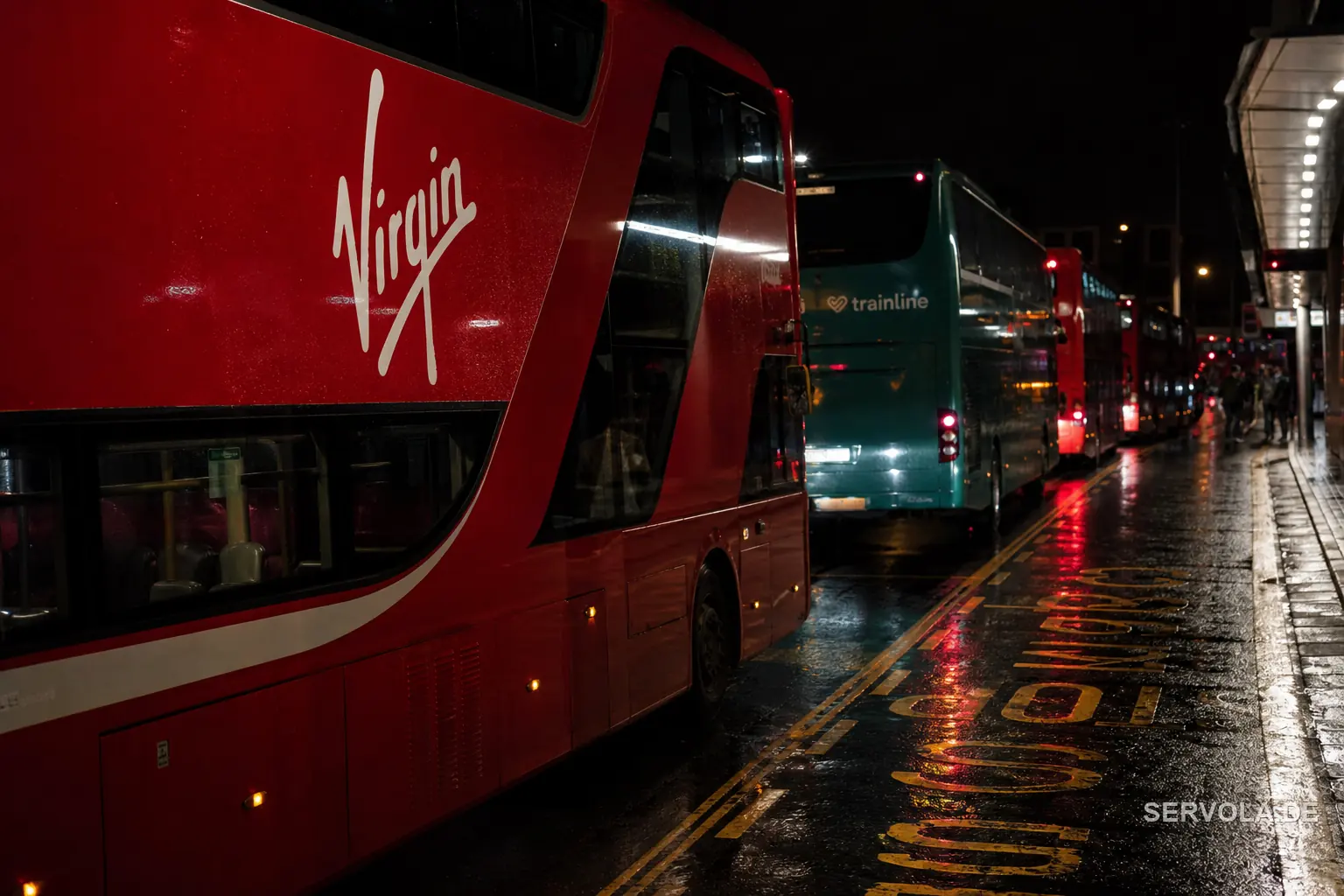
The UK's Competition and Markets Authority opened formal drip-pricing investigations into Trainline, Virgin Atlantic and RED Driving School on 19 August 2026, the first live test of fining powers it has held since the Digital Markets, Competition and Consumers Act came into force.
All three cases share the same pattern: a headline price draws the customer in, then extra charges appear only as the booking moves toward payment. The CMA calls this drip pricing, and its executive director for consumer protection, Emma Cochrane, put the standard plainly: "The first price customers see should be the price they pay."
What the CMA Found at Checkout
The regulator's own transaction reviews show the fees were neither trivial nor consistent, which is part of what makes them hard for a customer to predict or compare.
| Company | What the CMA flagged | Fee found |
|---|---|---|
| Trainline, train tickets | Booking fee shown late in checkout | GBP 0.59 to GBP 2.79 |
| Trainline, coach tickets | Booking fee shown late in checkout | GBP 1.50 flat |
| Virgin Atlantic Holidays | Resort fees and local taxes added after the headline price | Up to several hundred GBP per booking |
| RED Driving School | Digital administration fee added at checkout | GBP 7.00 or more |
The investigations run until January 2027, and if the CMA confirms an infringement of the Digital Markets, Competition and Consumers Act, it can order refunds to affected customers on top of financial penalties.
Why This Reaches Further Than Travel
Drip pricing is not a travel-industry habit. The same checkout pattern shows up in software subscriptions, event tickets, car rentals and hospitality booking flows across the UK and the EU, wherever a business adds a fee after the customer has already committed mentally to the purchase.
What changes with this investigation is the enforcement tool behind it. Under the Digital Markets, Competition and Consumers Act, the CMA can fine a company up to 10 percent of its global annual turnover for a proven infringement, a figure large enough to turn a checkout-design choice into a board-level risk.
The Bottom Line for Anyone Selling Online
An owner does not need to sell train tickets to be exposed. Any UK-facing checkout that reveals a mandatory fee, a service charge or a resort-style surcharge only in the final step is running the same pattern the CMA has now opened three live cases against.
The practical response is an audit, not a wait-and-see approach: list every mandatory charge a customer will pay, and check whether your own headline price already includes all of them before the CMA runs that check for you.
Read next: CMA Flags Gaps in EDF's GBP 1-5bn Sizewell B Deal | Publishers Want AI Chatbots Kept Off Google Remedy