One Order, Six Answers Due the Same Week
On June 18, 2026, FERC issued Section 206 show cause orders to all six US regional grid operators, PJM, MISO, SPP, CAISO, ISO-NE and NYISO, opening a national docket, RM26-4, alongside operator-specific dockets such as CAISO's EL26-71, and giving each 30 days for a generation-adequacy informational report and roughly 60 days for a full tariff response.
Servola covered PJM's answer on August 14: its board overruled a two-thirds stakeholder vote to impose a mandatory curtailment mechanism from June 1, 2027. CAISO's July 20, 2026 informational report, signed by Assistant General Counsel William H. Weaver, answers the identical commission with a starkly different diagnosis in writing.
California's Own Numbers Argue There Is No Shortfall to Fix
CAISO's filing states plainly that its integrated planning framework is "fundamentally different" from regions facing capacity shortfalls, and backs that with figures from its own 2025 market data: peak demand across the Western Energy Imbalance Market fell 3.8 percent year over year, total wholesale cost of serving load dropped 6 percent, and, adjusted for gas and emissions prices, wholesale electricity costs fell about 24 percent, with almost no day-ahead price intervals above $250 per megawatt-hour.
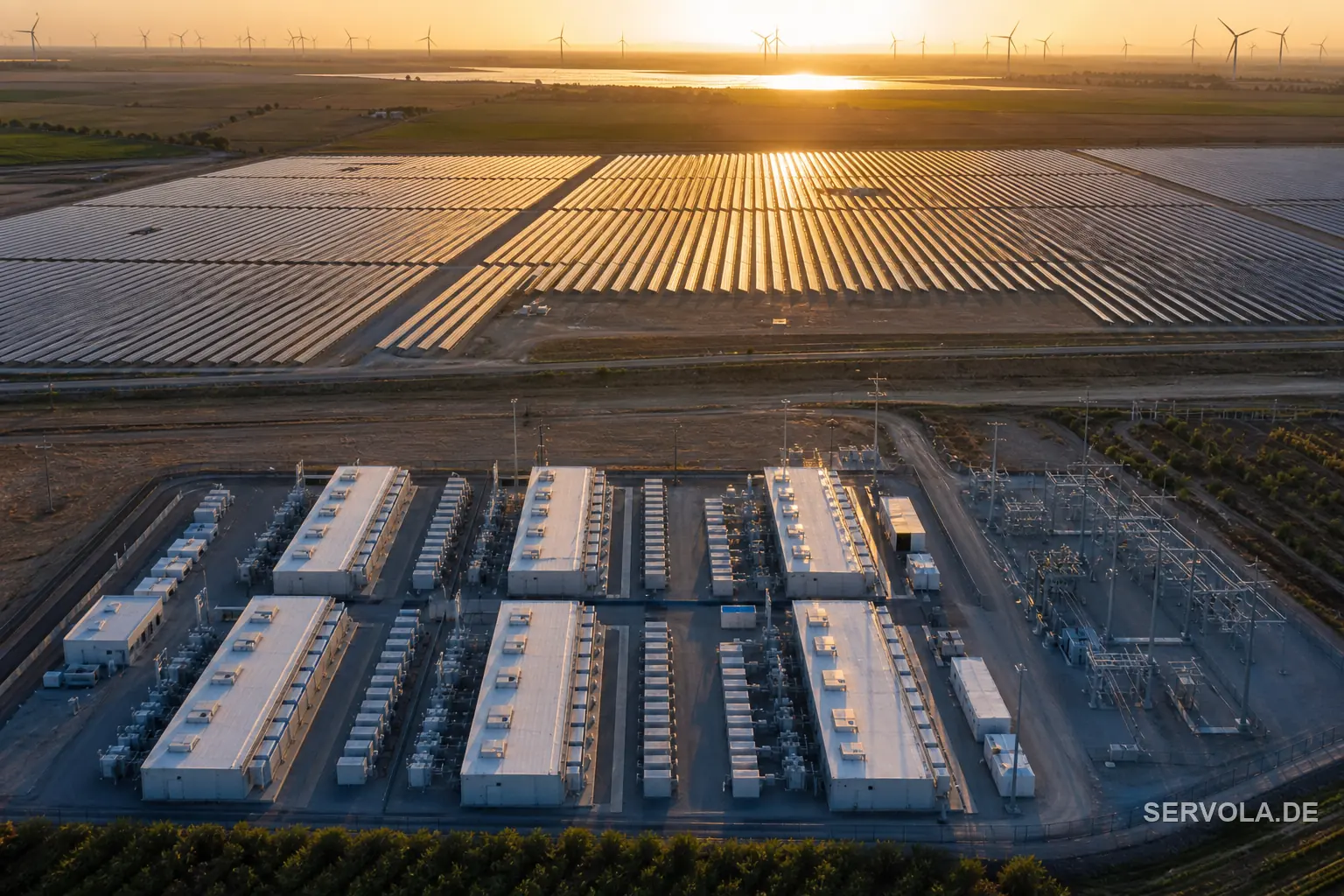
Nearly 36 gigawatts of new generation and storage, more than 16 gigawatts of it batteries, has come online to serve CAISO load since 2020. The California Public Utilities Commission has ordered 24.8 gigawatts of further procurement by 2032, already exceeding an earlier 14.8-gigawatt target, and the California Energy Commission's own forecast, cited in the filing, projects data-center demand on the CAISO grid will grow by only 1.8 gigawatts by 2030 and 4.9 gigawatts by 2040.
A Slower Clock, and No Mandatory Backstop
Instead of a curtailment tool, CAISO's compliance path repurposes its existing Large Loads stakeholder initiative, first opened with a January 2026 issue paper and a June 2026 straw proposal. The now-expedited schedule runs a straw proposal on August 12, 2026, a draft final proposal on September 21, Board of Governors approval targeted for October 28, and the actual FERC compliance filing due November 16, 2026, three months after PJM's board-directed answer to the same show cause order.
CAISO frames its entire response around continuing an existing 2022 memorandum of understanding between the California Energy Commission, the California Public Utilities Commission and CAISO itself, arguing that generation and transmission planned together, well ahead of need, make a backstop curtailment mechanism unnecessary for now.
The Same Federal Deadline, a Real Fork for Where Load Lands
This is a genuine regulatory divergence inside one docket, not two operators spinning identical facts: PJM's board overruled its own members to add a mandatory curtailment backstop because it says it cannot otherwise guarantee capacity, while CAISO's filing to the same commission says no comparable shortfall exists and proposes no such mechanism at all. An operator choosing where to site a large load today faces materially different curtailment exposure depending on which of the six dockets its site falls under.
CAISO's confidence rests on a demand forecast, 1.8 gigawatts of new data-center load by 2030, that already looks conservative next to the scale of AI-driven capital commitments landing elsewhere in the country, and on a 2025 load figure that fell rather than rose. Servola covered on August 14 how the US Energy Information Administration halved its own Texas 2027 growth forecast within months once one external shock, the state's ERCOT audit, hit its assumptions; CAISO's bet on slower, coordinated planning over a board-imposed backstop is only as strong as the forecast underneath it, and that forecast is the thinnest number in the filing.
Read next: PJM Overrules Its Own Two-Thirds Vote | FERC's 60-Day Grid Deadline Lands This Week