What Went On Sale, And What It Costs
Samsung announced the Galaxy Z Fold8 Ultra, Z Fold8, Z Flip8, Watch Ultra2 and Watch9 on August 6, 2026, with sales opening the next day, August 7, across 106 markets through carriers, retailers, Samsung.com and Samsung Experience Stores. Samsung says pre-orders for the new lineup are up more than 30 percent compared with the previous generation, though the company has not disclosed absolute unit numbers.
Base pricing in Europe and the UK: Z Fold8 Ultra at EUR 2,199 / GBP 1,899 (256GB), Z Fold8 at EUR 1,999 / GBP 1,699 (256GB), Z Flip8 at EUR 1,299 / GBP 1,149 (256GB), Watch Ultra2 at EUR 749 / GBP 649, and Watch9 at EUR 409 / GBP 349 for the 40mm Bluetooth model. Both watches cost more than their predecessors: the Ultra2 is up EUR 50 on the first Watch Ultra, and Watch9 is up roughly EUR 30 on Watch8.
The Quiet Swap Inside Both Watches
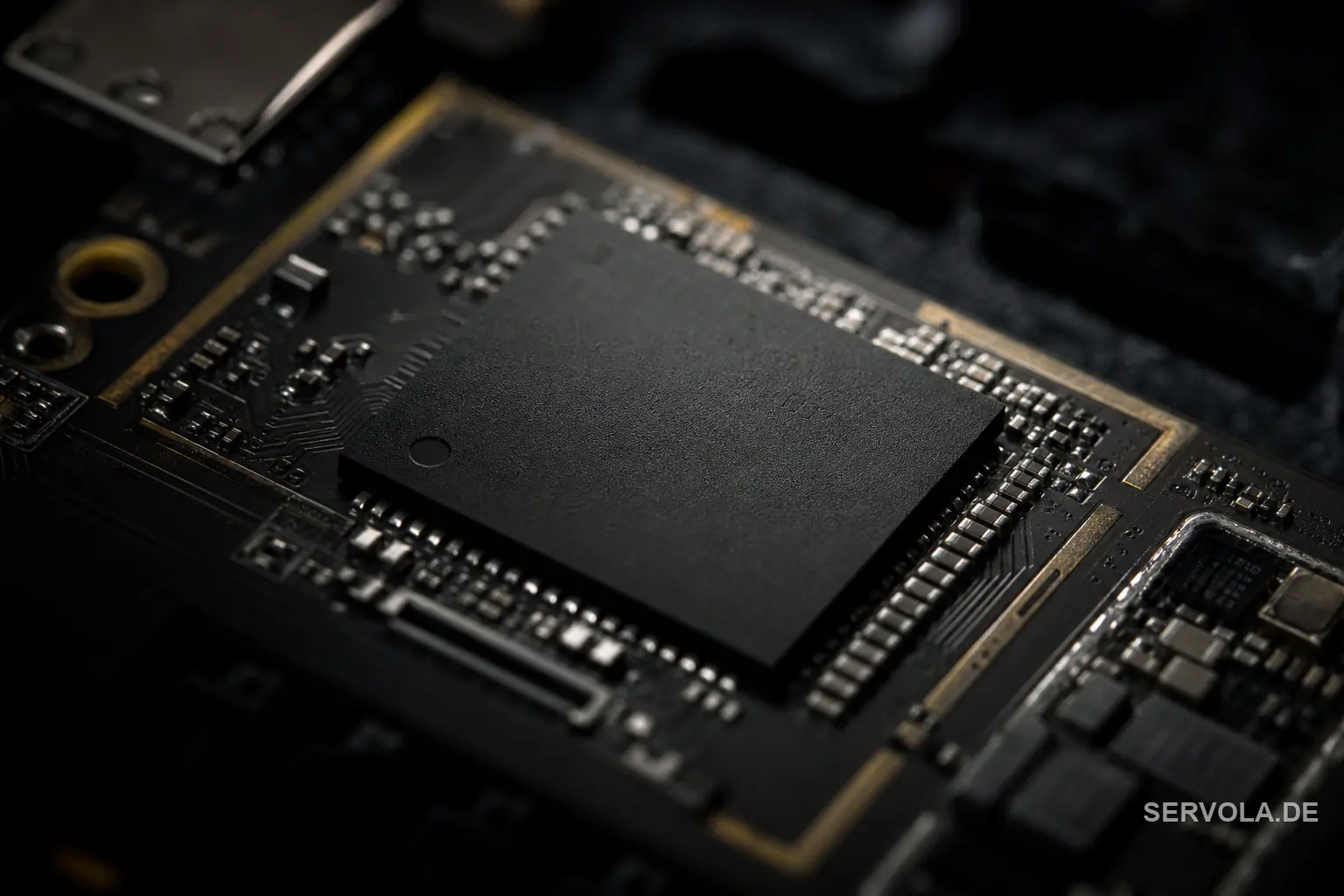
The detail Samsung's own press materials confirm almost in passing is the processor. Both the Watch Ultra2 and the standard Watch9 run on the Snapdragon Wear Elite platform, a chip Samsung's newsroom itself credits as a product of Qualcomm Technologies. Samsung has not shipped an Exynos application processor in a Galaxy Watch this year, a first for the line.
GSMArena's reporting on the pre-launch chip leaks put it plainly: Samsung is dropping its in-house Exynos chips for Qualcomm-made Snapdragon Wear Elite silicon built on a 3nm process. The Korea Times went further, confirming Samsung's own framing that the Qualcomm partnership is 'expanding into smart wearables' and that this is the first time Snapdragon Wear Elite has powered a Galaxy watch.
Why Samsung's Own Chip Team Fell Behind
The previous watch chip, the Exynos W1000, launched in 2024 and powered Watch7, the original Watch Ultra and Watch8. Samsung's chip division never announced a successor. Qualcomm unveiled the Snapdragon Wear Elite in March 2026 with a dedicated neural processing unit built for on-device AI, and Samsung's Mobile Experience division picked it specifically to support the health and outdoor-tracking features planned for this year's watches.
That is a capability gap, not a cost decision. Samsung's own co-CEO described the policy going forward as choosing 'the technology that best meets the needs of each device' rather than defending Exynos on principle. It is the same logic that has already pushed Exynos out of a growing share of Galaxy phones sold outside Samsung's home market.
What Chip-Vendor Lock-In Costs A Fleet Buyer
Samsung is one of the few companies on earth that makes its own application processors, its own memory, its own displays and, through Samsung Foundry, its own chips for other companies too. That vertical integration is supposed to be the advantage: control over cost, timing and supply that a phone-only or watch-only competitor does not have. This launch shows the limit of it. When Samsung's own silicon roadmap fell behind what the watch category needed, the company went to Qualcomm, the same firm that already supplies chips for a large share of its phones.
For an EU or UK business specifying wearables for field staff, healthcare, or logistics, or simply standardising a device fleet around one vendor for support and procurement reasons, this matters beyond the spec sheet. A single external chip vendor now sits behind both of Samsung's mobile hardware lines, which concentrates supply risk, ties feature timing to Qualcomm's own release cadence rather than Samsung's, and adds a component cost neither company will absorb forever. The lesson holds even if you buy no Samsung hardware at all: brand-level vertical integration is not the same as chip-level independence, and it is worth asking any hardware vendor exactly which parts of the device are actually theirs.
Read next: Your Watch Neighbor Never Agreed to This | iPhone Duo Ships Without Its EU Repair Grade