The Ceiling Under the Boom
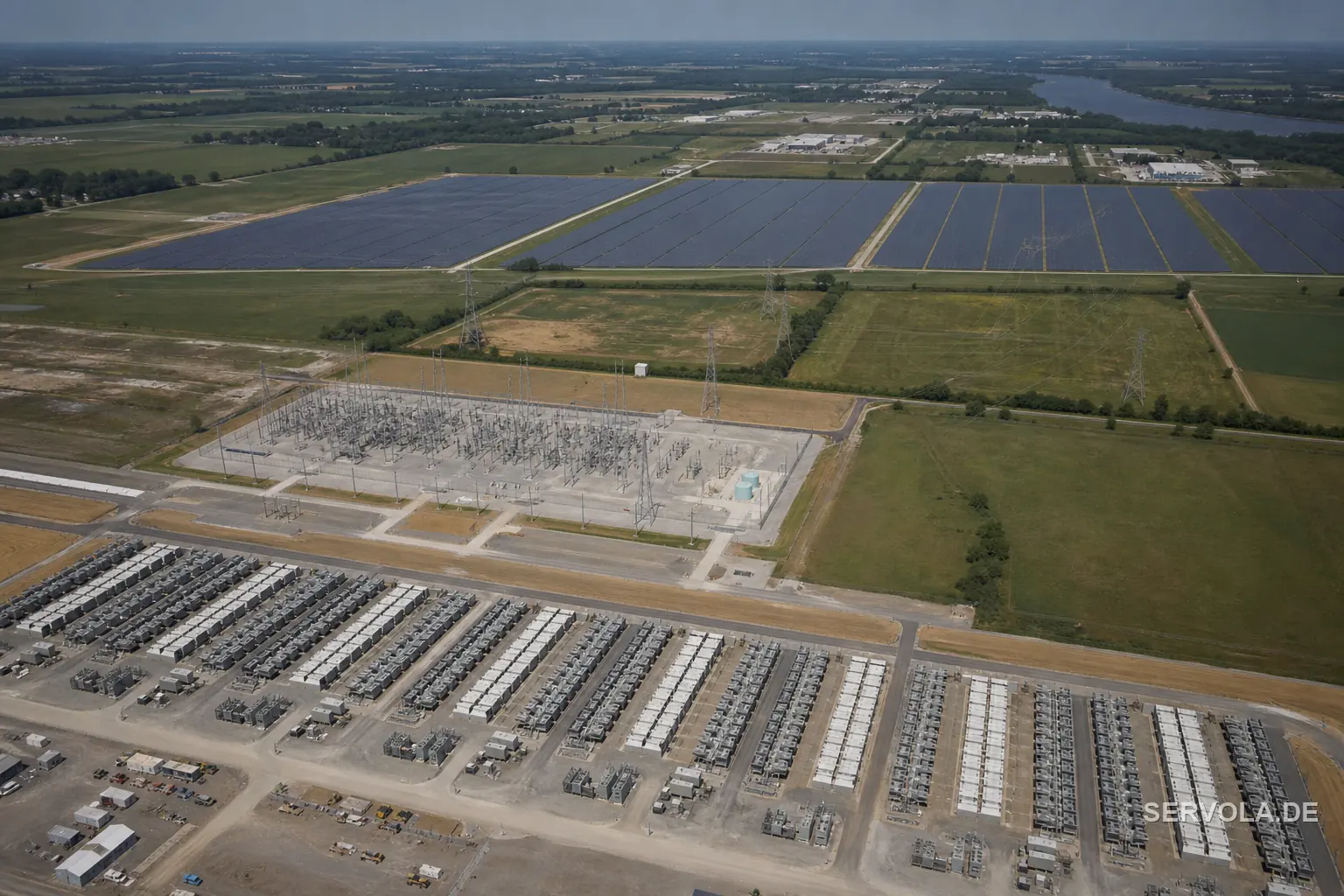
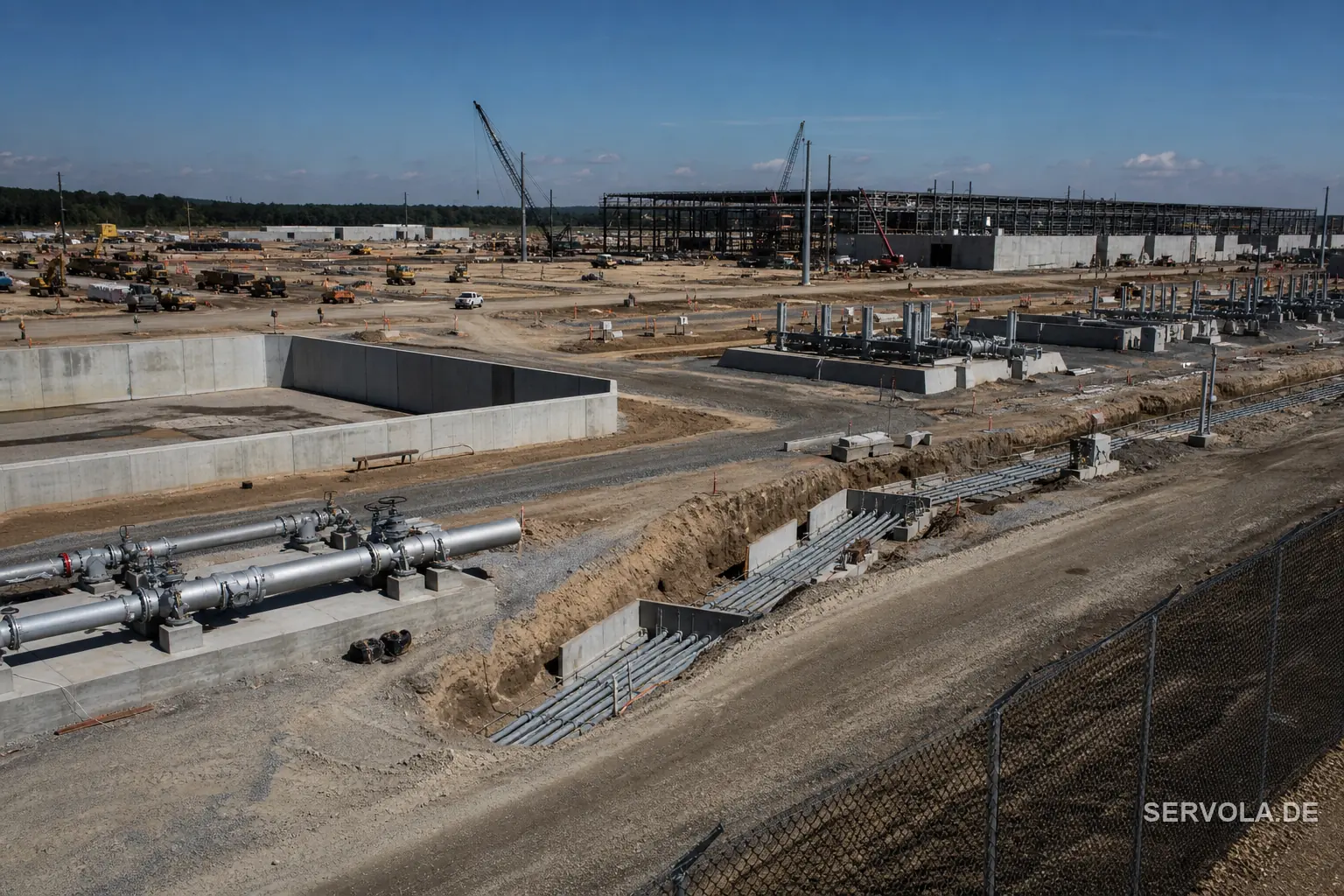
Aon's Data Center Lifecycle Program is the largest single insurance facility built for this industry, and in July 2026 it grew to 5 billion dollars in capacity, up from 3.5 billion just three months earlier. That growth looks impressive until it is set against what it is meant to cover. S&P Global Ratings puts the value of individual data center projects at as much as 30 billion dollars, and Swiss Re Corporate Solutions says a single hyperscale campus can require 20 billion dollars in limits for the buildings alone, before a single server is installed.
Marsh's competing Nimbus facility tops out around 2.7 billion dollars. Munich Re will write roughly 250 million dollars net on a single project. Stacking every major carrier together to reach 10 billion dollars of coverage on one campus now means assembling a tower of 40 or more insurers, each taking a slice, each pricing their slice separately. At 30 billion dollars of exposure, that stacking exercise stops being a placement problem and becomes, in the words of one market analysis, an arithmetic impossibility at anything resembling competitive terms.
Why the Market Cannot Keep Up
The gap exists because two numbers are moving in opposite directions. Hyperscaler capital spending is on pace to exceed 600 billion dollars in 2026, a 36 percent jump from the prior year, with roughly three-quarters of it aimed at AI infrastructure. Zurich North America's average insured data center project has grown from about 150 million dollars five years ago to around 3 billion dollars today, a twentyfold increase the underwriting side never had time to absorb gradually.
Swiss Re's own premium projections tell the same story from the pricing side: global data center insurance premiums are set to nearly double by 2030, from 10.6 billion to 24.2 billion dollars, and about 40 percent of United States data center capacity sits in tornado-prone regions, a physical-risk exposure insurers are now pricing in rather than absorbing quietly. Zurich's global head of construction and surety has said plainly that the market lacks sufficient capacity to insure the largest projects at full value, even as lenders increasingly make full replacement-value coverage a condition of financing.
What This Means If You Lease or Build
Few businesses build their own 30 billion dollar campus, but a great many now lease colocation space or a private data hall inside one, and the coverage gap does not stay upstream. A developer who cannot fully insure a facility passes that residual risk somewhere: into higher lease rates, into contractual limits on what a landlord will compensate after a fire or a storm, or into a lender's covenant that squeezes the project's financing terms and, eventually, its tenants' costs.
Before signing a colocation or build-to-suit agreement, ask the provider directly what share of the facility's rebuild value is actually insured, and whether that figure has kept pace with what the building itself now costs to replace. With 11,000 data centers worldwide representing over 2 trillion dollars in insurable assets, and premiums still catching up to that scale, a facility's insurance position is no longer a formality buried in an appendix. It is a real number worth asking for.
Read next: Amazon Took a Stake in the Company That Keeps Its Servers Running | Anthropic's Compute Bet Was Hidden Across Six Contracts