What Hans Anders Did
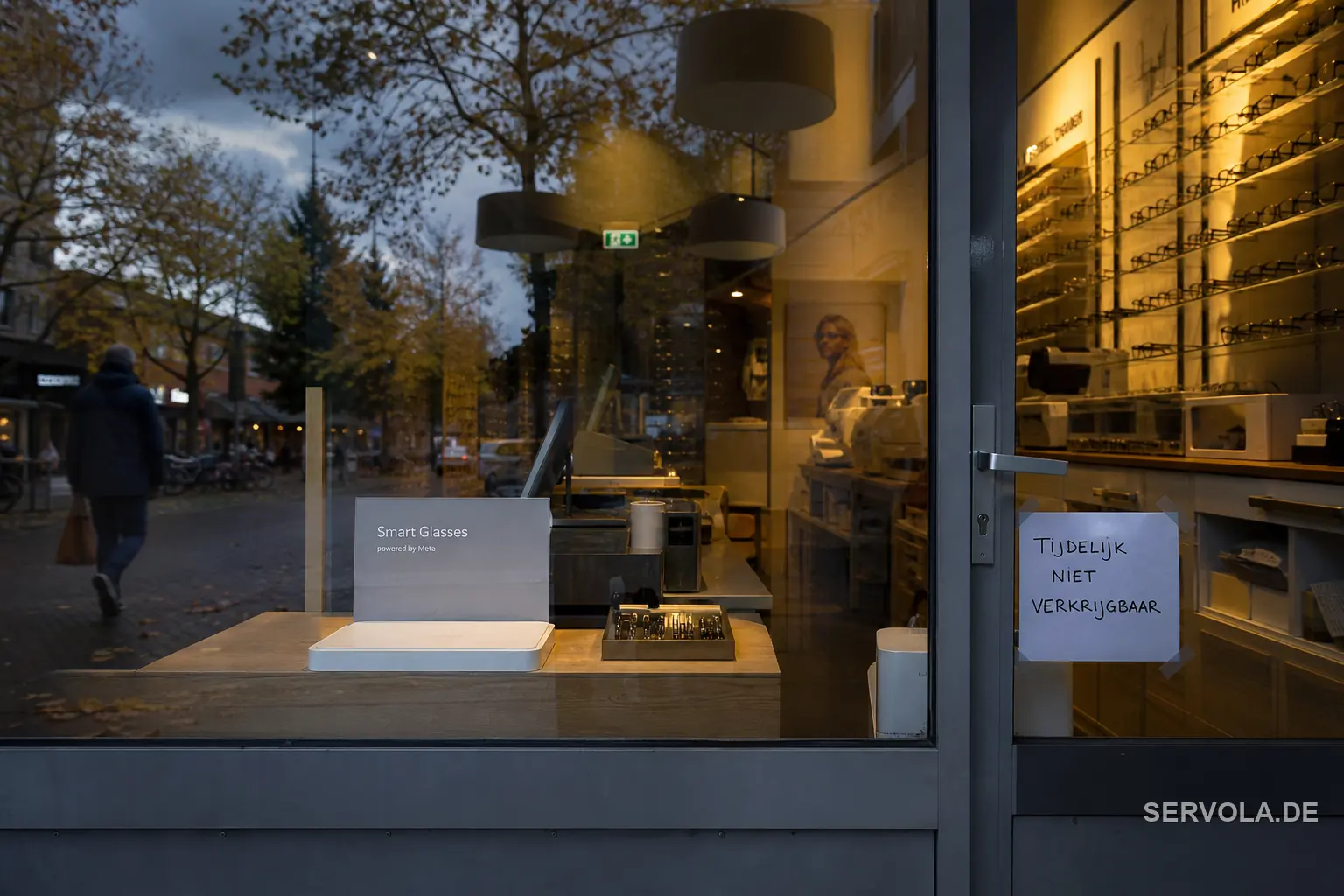
Hans Anders, one of the largest optician chains in the Netherlands, has suspended sales of Meta's Ray-Ban smart glasses in the Netherlands and Belgium, Reuters reported on Friday 2 October 2026. A spokesperson told the Dutch newspaper AD that the glasses are no longer available in its stores or on its webshop.
NL Times reports that the suspension has no end date and that the company points to public and political discussion about smart glasses and open questions about the conditions in which the technology can be used. It wants to wait for that debate and for any measures before deciding whether and how to sell the glasses again.
The chain sold only limited numbers, the spokesperson said, and the glasses cost at least 419 euros on its website. The commercial loss is therefore small, and the signal is the point: the retailer chose to be seen pausing rather than selling into an open argument about covert filming.
Who Else Is Acting
Hans Anders is not alone in reacting, and the reactions come from very different kinds of actor.
| Actor | Action | Status in the reports |
|---|---|---|
| Hans Anders | Stops selling in stores and online, Netherlands and Belgium | Suspended, no end date |
| Dutch hospitals and Ministry of Defence | Stricter measures on the glasses | Being implemented |
| Dutch lower house | Wants a concrete ban | Demand, no law reported |
| Dutch organisations | Threaten a lawsuit against Meta | Threat only |
| California SB 1130 | Would ban secret recording in private areas of businesses | Vetoed on 30 September |
RetailDetail says the retailer is responding to a growing privacy controversy, now that Dutch hospitals and the Ministry of Defence are also applying stricter measures. NL Times adds that Dutch organisations have threatened to sue Meta and that the lower house wants a ban on what critics call peeping glasses.
The glasses look like ordinary spectacles and show a light on the front while recording, NL Times notes, and the complaint is that they make covert filming easier. Telecompaper reports the same calls from parliament and from NGOs.
Why California Went The Other Way
On Wednesday 30 September Governor Gavin Newsom vetoed California SB 1130, which would have made it a misdemeanour to use a wearable recording device to capture video or sound of someone in areas of a business where they expect privacy, such as changing rooms and doctors' offices, Engadget reports. It would also have required a recording indicator and banned selling technology built to mask it.
Newsom said the bill defined wearable recording devices too broadly, that it could catch certain smartwatches and other worn devices, and that California already bans recording where people expect privacy. TechCrunch notes that the bill would have made California the first state to regulate smart glasses and that Meta sold more than 7 million wearable glasses last year.
The two stories differ only on the surface. In California the argument was about how to define the device. In the Netherlands it is about where and under what conditions the device may be used. Both leave the decision on the premises to whoever runs them.
What EU Operators Should Do
Write a short smart-glasses policy for offices, clinics, shops, changing areas and meeting rooms before an incident forces one. Say where camera glasses are not allowed, how staff and visitors are told, and who decides.
Treat the recording light as a courtesy and not as a control. NL Times says the glasses show one, but the complaint is about covert filming, so a rule that depends on people noticing a light will not settle disputes. Ask your data protection officer how filming of staff and customers fits your own obligations.
If you sell, rent or provide such devices, expect landlords, clients and partners to ask for clear terms. Hans Anders says it will reassess once there is more clarity, so follow the Dutch parliament and Meta's response, which the coverage we reviewed does not include.
Servola Journal
We do this for everyone trying to keep up with what technology is doing to our lives. The people who build it, and the people it happens to. The Servola Journal exists so that what we learn belongs to all of them.
Nobody pays us for this. No ads, no paywall, free to everyone. We just believe that understanding what's happening to all of us shouldn't depend on who can afford to pay for it.
If it gave you something today, tell us to keep going. Follow us, leave a like, or write a positive comment. We read every one, and they are what keeps us going.
Read next: HTC's Smart Glasses Let Bystanders Say Stop | Second LED Patch, Same Unanswered CNIL Objection