Two Bills From the Same Broken Promise
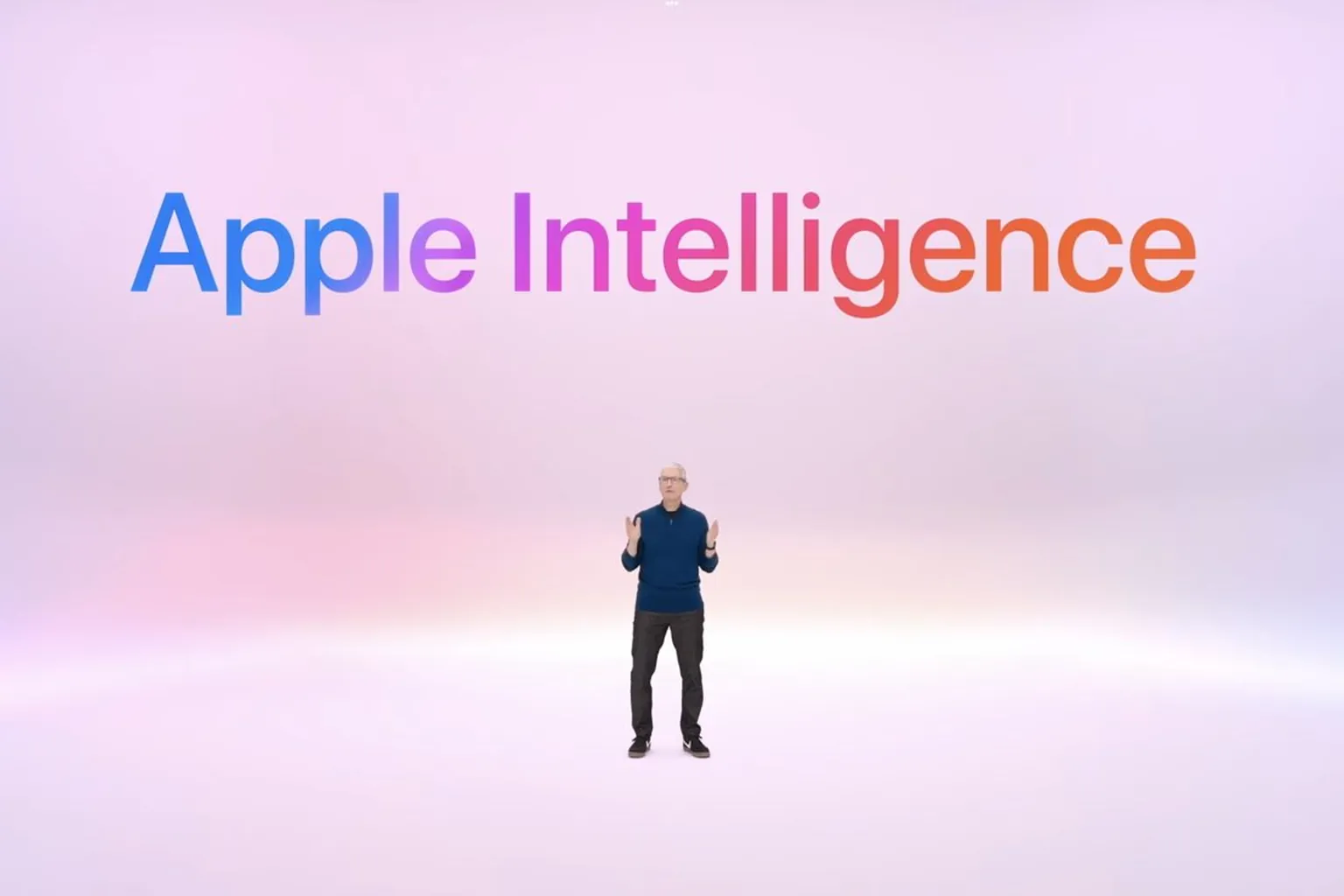
On September 21, 2026, the claims portal at smartphoneaisettlement.com opened to iPhone owners across the United States, five days after iOS 27 quietly rewrote the sentence in Apple's privacy policy that once ruled out training its AI models on customer data. The two events trace back to the same failure. Apple promised a personalized, Apple Intelligence-powered Siri alongside the iPhone 15 Pro and 16 lineup in 2024. It did not ship until June 2026, about two years late. The delay produced a false-advertising class action, now settled for $250 million. To finish the Siri that finally shipped, Apple asked for the one input it had spent two years telling customers it would never touch: their own words to Siri.
| What changed | 2023-2024 promise | September 2026 reality |
|---|---|---|
| Personalized Siri timeline | Promised for the iPhone 15 Pro and 16 lineup, 2024 | Shipped June 2026, about two years late |
| Training data policy | Private data never used to train foundation models | Opt-in Siri audio and text now trains models, iOS 27, September 14, 2026 |
| Legal consequence | None disclosed | $250 million settlement, claims open through December 21, 2026 |
The Promise That Slipped First
Apple advertised the redesigned, Apple Intelligence-driven Siri as arriving on the iPhone 15 Pro, 15 Pro Max, 16, 16 Plus, 16 Pro, 16 Pro Max and 16e, bought in the United States between June 10, 2024 and March 29, 2025. The feature missed that timeline, and a class action followed, alleging the marketing described capabilities the phones did not yet have. Apple denies wrongdoing but agreed to a $250 million settlement rather than contest the claim at trial. The court-approved site opened September 21, 2026 and stays open through December 21, 2026. Eligible owners can expect roughly $25 each, rising to as much as $95 if fewer people file than the settlement assumes, with final court approval set for February 24, 2027.
The Promise That Broke Second
Apple's language on AI training used to read as close to absolute: your private personal data and interactions are never used to train our foundation models. iOS 27, released September 14, 2026, added a clause: unless you explicitly choose to help improve them. The new Siri AI setup screen offers two buttons, Share Audio and Text or Not Now, and Apple says it does not link the shared recordings, transcripts and typed requests to individual Apple accounts. The method is what changed. Apple had already built Differential Privacy tooling specifically to learn from usage patterns without needing anyone's actual words, adding artificial noise to protect any one user's data. iOS 27 asks for the real thing instead.
Why One Explains the Other
No source ties these two announcements together, and Apple has not said the delayed Siri launch is why it now wants real conversation data. The timeline makes that gap hard to ignore. A no-need-for-your-data pledge only holds as long as a company's existing techniques, in Apple's case synthetic and differentially private training data, keep pace with a competitive product roadmap. Personalized Siri missed that roadmap by nearly two years, badly enough to cost $250 million rather than a trial. The opt-in prompt that arrived five days before the claims site opened points to why: the old training techniques set a ceiling on how good the delayed product could ever become.
The Decision Lesson for Anyone Buying a No-Data-Needed Pledge
Treat any vendor's we do not need your data commitment as conditional on its product roadmap holding steady. Ask what happens to that commitment if the product falls behind, because the answer here is that it changes, through an opt-in screen most users click past without reading. Readers in the EU should know that personalized Siri has still not shipped there, so the new training option currently governs a feature most of the region cannot yet use, though the policy text applies the moment an account turns it on later. Under GDPR, Apple's lead supervisory authority for this kind of processing is Ireland's Data Protection Commission, which will test first whether the opt-in choice here is genuinely free.
Read next: Your Child's iPhone Now Asks Before Every Site | Your Watch Neighbor Never Agreed to This