The Numbers SpaceX Put on the Record
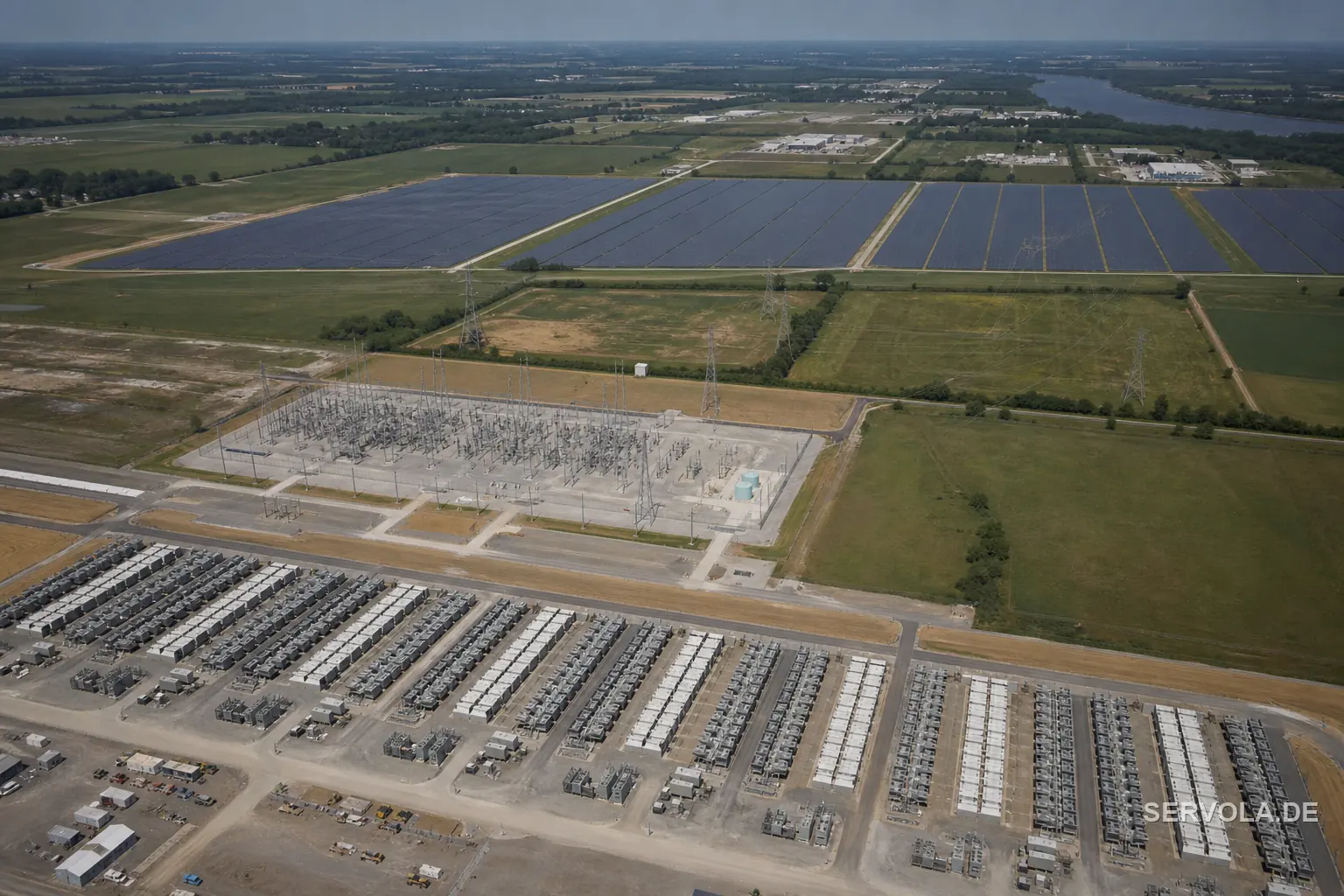
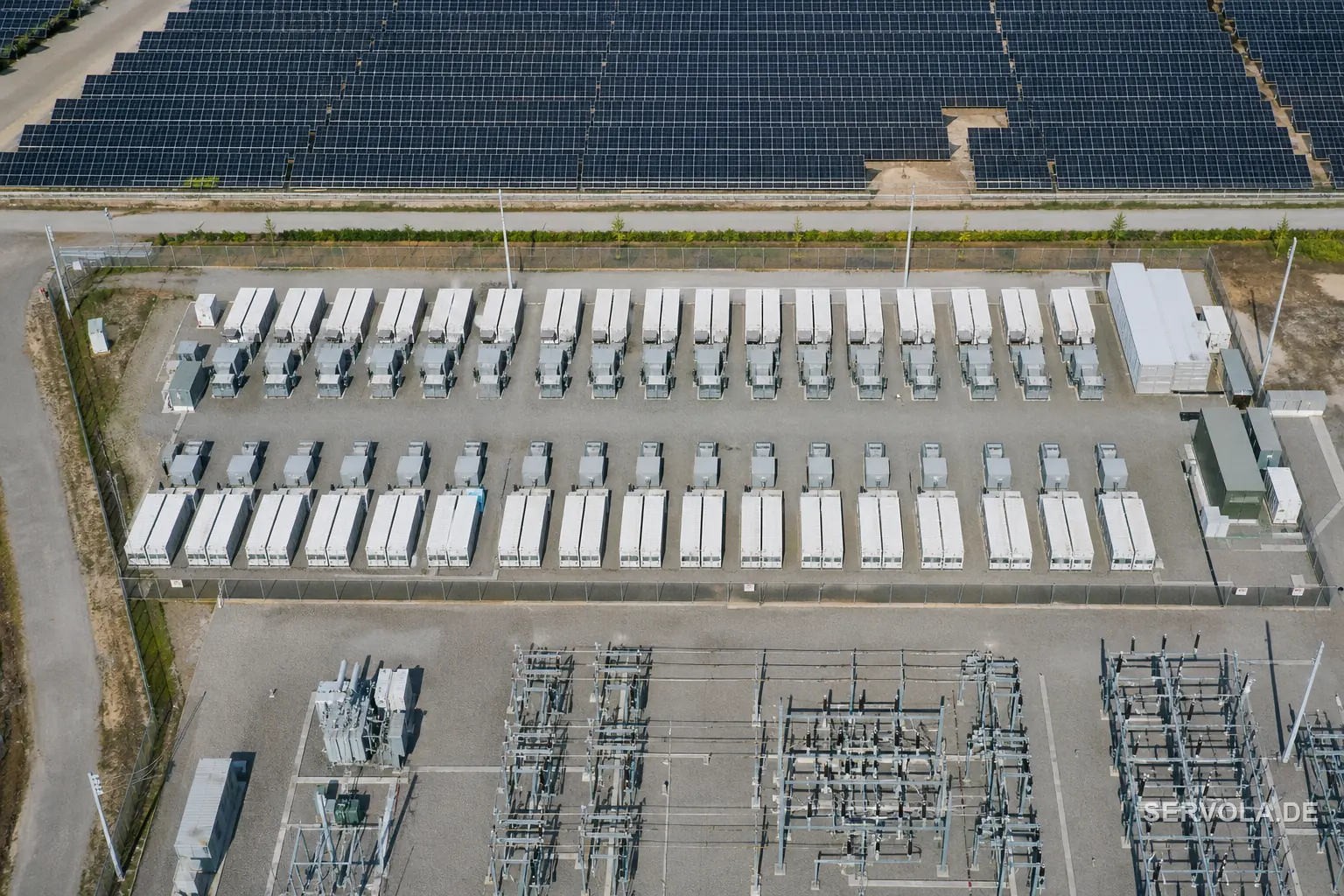
On its August 4, 2026 earnings call, SpaceX said it closed the quarter with about 1.4 gigawatts of AI compute capacity online and expects to pass 2 gigawatts by the end of 2026. Its own target for the following year is far larger: roughly 10 gigawatts of compute capacity online by the end of 2027, a sevenfold jump in eighteen months, according to comments from Elon Musk reported independently by Forbes, the analyst newsletter SemiAnalysis, and trade outlet eWeek, among others covering the call.
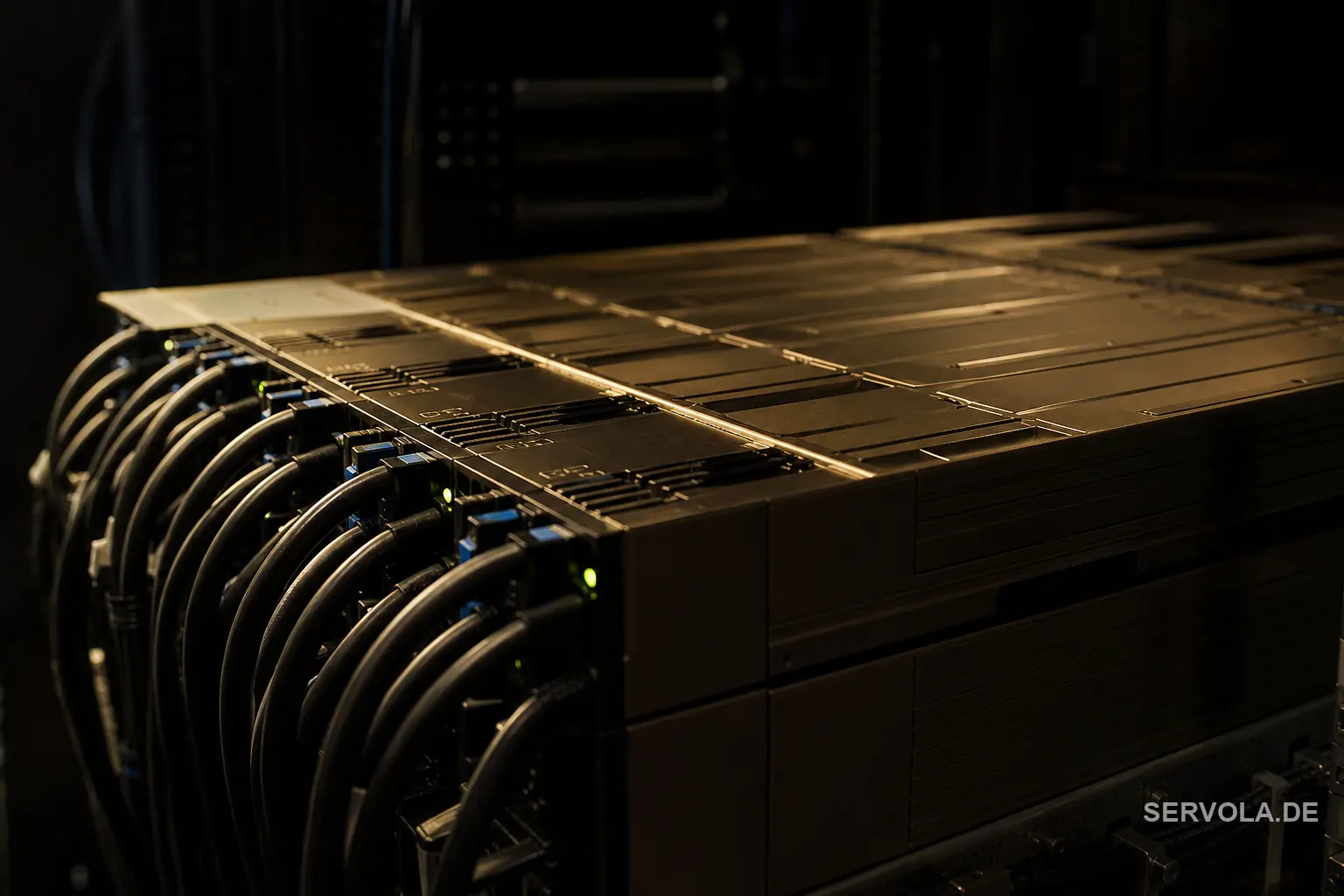
Musk also said SpaceX will build that expansion exclusively on Nvidia's next-generation Vera Rubin architecture, ending a multi-vendor chip strategy the company had kept open until now. "We've decided to build exclusively on Nvidia because we think the Vera Rubin architecture is the best architecture," Musk said on the call, a quote independently reported by Forbes and eWeek. The commitment covers both new terrestrial data-centre racks - built on Nvidia's Vera Rubin NVL72 system, internally codenamed Kyber - and a genuinely new use case: a space-rated version of the same chip.
Who Is Actually Buying the Compute
SpaceX disclosed roughly 14.1 billion dollars in contracted cloud-services agreements tied to its Colossus compute clusters, which today run on a mix of about 540,000 GPUs (roughly 100,000 Nvidia H100s and 220,000 newer GB200 and GB300 chips). Reporting after the call named Anthropic and Google as real, identifiable customers leasing that capacity - Anthropic alone is reportedly behind 1.52 billion dollars of the quarter's compute revenue.
Microsoft is not among the customers either company has named. SemiAnalysis has published an analytical case that Microsoft is positioned to become SpaceX's largest offtaker over time, pointing to Microsoft's roughly 300 billion dollars in AI infrastructure commitments across all its suppliers so far in 2026 as evidence of appetite - but that is SemiAnalysis's own projection, not a disclosed SpaceX-Microsoft contract. Readers should treat "Microsoft becomes SpaceX's biggest customer" as an informed bet, not a confirmed fact.
Why Nvidia Let a Rocket Company Jump the Queue
The detail worth sitting with is not the gigawatt figure - it is who Nvidia is choosing to arm with flagship silicon first. A year ago the assumption was that Rubin-generation GPUs would flow to the usual hyperscalers in roughly the order of their historical order size. Instead, a company whose core business is orbital launch has secured exclusive-supply language usually reserved for Microsoft, Google or Amazon, on the strength of a factor those hyperscalers do not uniquely have: the ability to move fast on power, land and capital inside one organisation.
SpaceX is reportedly also building its own chip fabrication capacity - a 20-25 billion dollar facility in Austin shared with Tesla and xAI - specifically to reduce its dependence on any single supplier's output ceiling. Read together, the signal is that Nvidia's top-tier allocation is no longer a function of who has bought the most chips historically; it is a function of who can bring committed gigawatts online the fastest, chips or no chips.
The Lesson for EU and UK Operators
European and British technology buyers have spent two years hearing that GPU supply is the constraint on AI capacity. This deal is a sharper version of a lesson Servola has flagged before with Nvidia's own power investments: the real gating factor is increasingly power-and-site readiness, not a purchase order. A company can now out-compete Microsoft-scale buyers for next-generation Nvidia silicon by demonstrating it can secure gigawatts of grid capacity and land faster than they can - exactly the sequencing bottleneck that already delays large data-centre projects across Germany, the Netherlands and the UK by five to ten years on the interconnection queue alone.
For an EU or UK operator building an AI roadmap, the practical takeaway is to treat power-purchase agreements, grid-connection applications and site acquisition as the lead items on the procurement timeline, ahead of the chip order itself. The operators who line up power and land now are the ones best positioned to be first in line whenever Nvidia's next allocation round opens, regardless of how large their historical GPU spend has been.
Read next: Anthropic's Compute Bet Was Hidden Across Six Contracts | Nvidia Buys the Hub Your Open AI Stack Runs On