What the Supreme Court Actually Decided on July 27
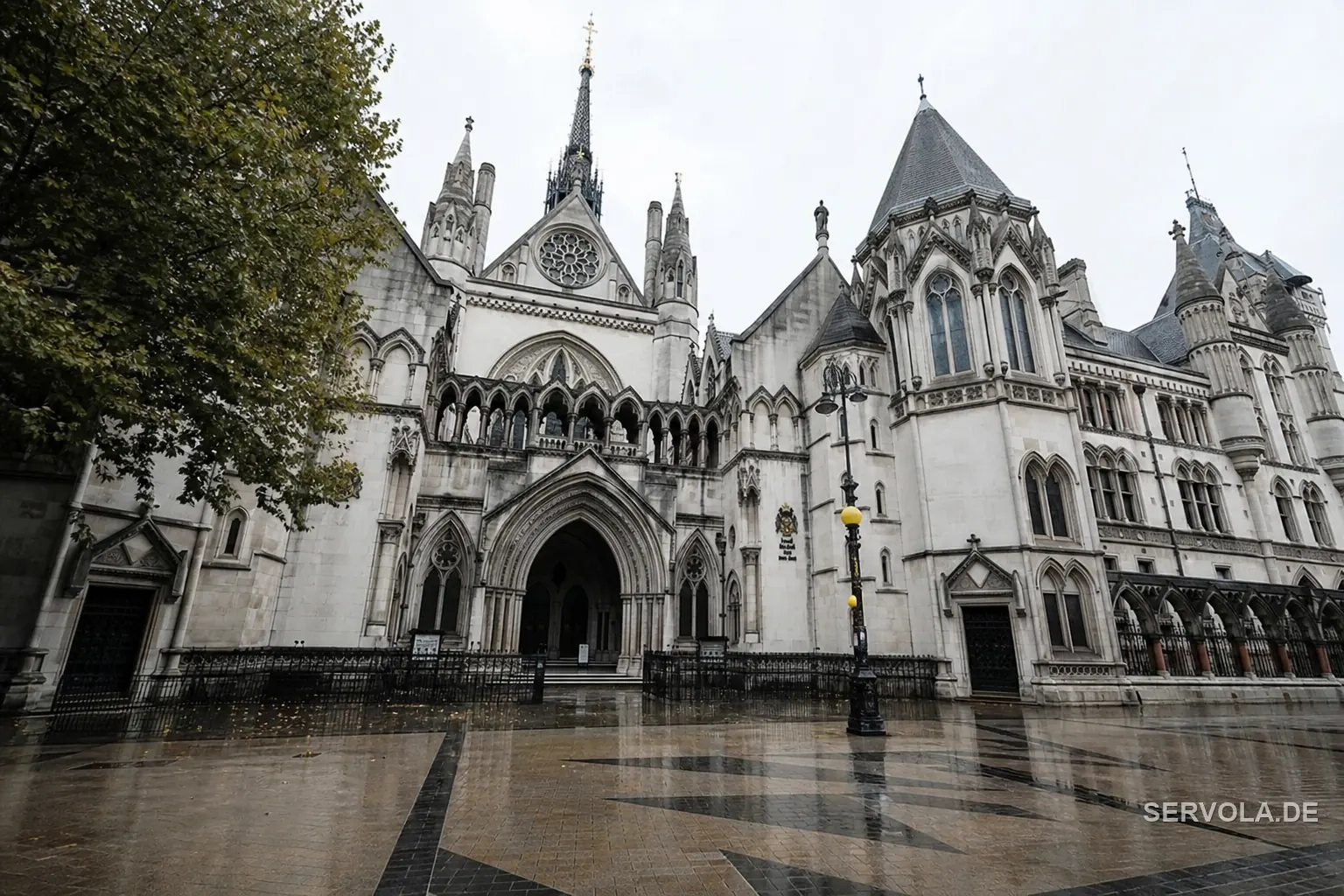
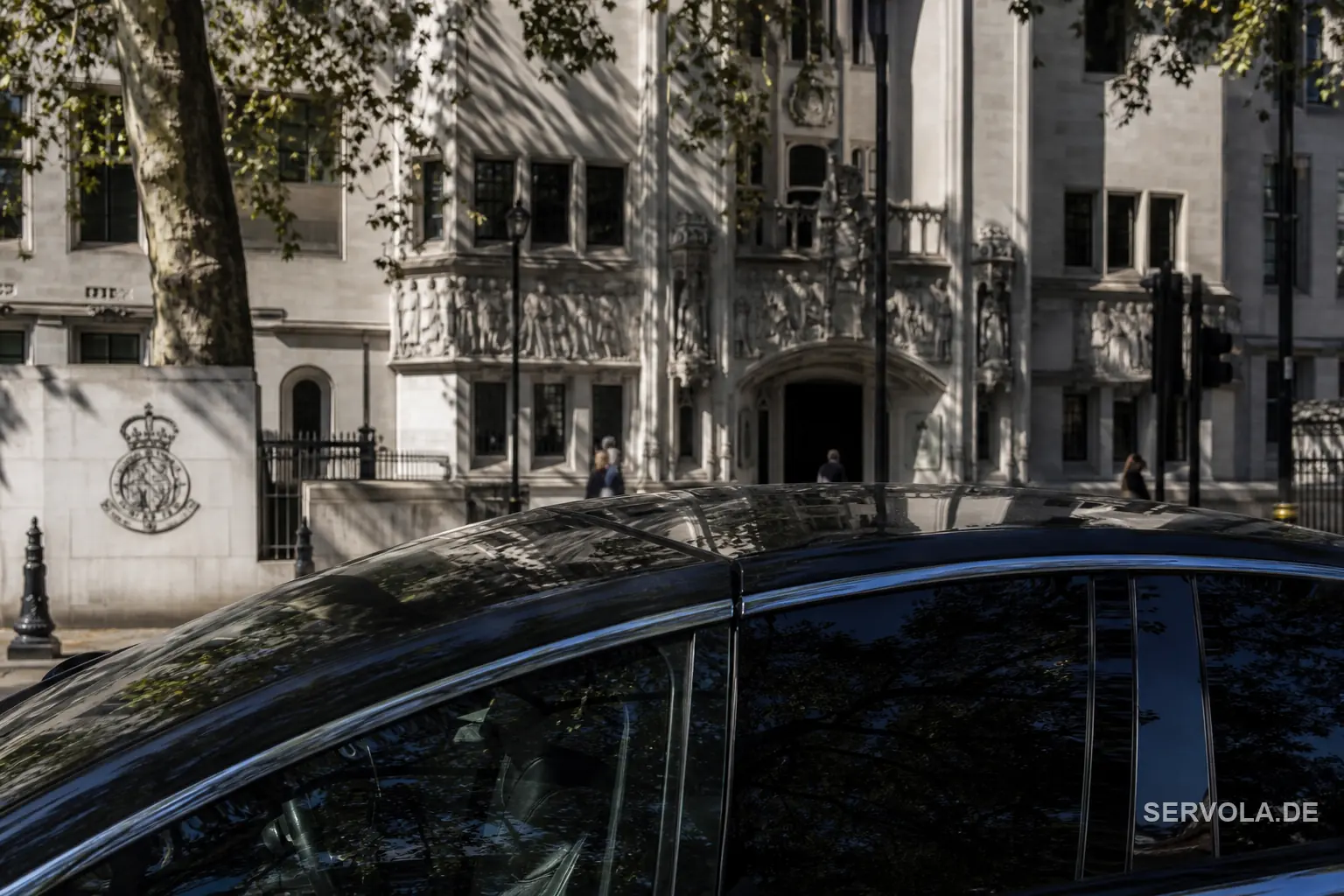
On July 27, 2026, a five-justice panel of the UK Supreme Court - Lord Sales, Lord Briggs, Lord Hamblen, Lord Burrows and Lord Kitchin - handed down judgment in Tesla, Inc and another v InterDigital Patent Holdings, Inc and others, cited as [2026] UKSC 27. The case had reached the country's highest court after Tesla lost at the High Court and then, by majority, at the Court of Appeal, where only Lord Justice Richard Arnold had sided with Tesla's position.
The Supreme Court reversed that majority. It held that Tesla has a real prospect of success in arguing that a fair, reasonable and non-discriminatory licensing obligation applies to a patent pool's own licence offer, not just to the individual patent owners inside it, and that English courts have jurisdiction to hear the claim. Tesla's case can now proceed to a full trial rather than being struck out.
The $32-a-Car Number Behind the Fight
The dispute centers on Avanci, a licensing platform that bundles standard-essential patents from dozens of owners - reported at somewhere between 65 and around 89 licensors, InterDigital among them - into a single 5G connected-car licence. Avanci's current published rate is $32 per vehicle for 5G, more than double the roughly $15 per vehicle it charged for 4G. Tesla wants to sell 5G-enabled vehicles in the UK and argues that rate was never negotiated with it, only presented as a fixed price to accept or refuse.
Roughly 7 percent of the patents inside the Avanci pool are UK-registered, which is what gave Tesla's lawyers, led by Ligia Osepciu of Monckton Chambers and instructed by Powell Gilbert, a foothold to bring the claim in England rather than accept Avanci's preferred venue. InterDigital and Avanci argued Delaware's Court of Chancery, not London, was the right forum; the Supreme Court disagreed.
Why This Reaches Every Connected Product, Not Just Cars
Most coverage of the ruling framed it as a Tesla story. The more durable part is the legal principle behind it: a patent owner's FRAND commitment to a standards body does not evaporate the moment it hands pricing over to a pool administrator. That holding is not written to apply only to cars or only to Avanci - it applies to any standard-essential-patent pool covering WiFi, 5G or the 6G technology now in early deployment, wherever the pool includes UK-registered patents and the implementer can find a jurisdictional gateway into English courts.
That is the part patent pool administrators will feel first. For a decade, pools like Avanci have operated on the practical assumption that a published flat per-unit rate is take-it-or-leave-it: negotiate individually with dozens of SEP owners, or accept the platform's number. This ruling tells every implementer - wearable makers, industrial sensor vendors, smart meter manufacturers, drone builders, anyone shipping a UK-patent-covered radio - that the platform's number is now something a court can be asked to test, not something they have to simply absorb into their bill of materials.
What Comes Next, and What Doesn't Change Yet
It is important to be precise about what the Supreme Court did not do. It did not rule that $32 per vehicle is unfair, and it did not set a new rate. The justices found only that Tesla has raised a serious issue that deserves a trial; the actual FRAND rate-setting exercise, weighing evidence from both sides on cost, comparable licences and pool economics, still has to happen. The number that comes out the other end could land at $32, above it, or below it.
For any business licensing cellular or WiFi connectivity into a new product line, the near-term change is not price - it is leverage and legal risk. English courts are now a confirmed venue for testing pool rates tied to UK patents, which should factor into how connectivity suppliers and component buyers negotiate pool licences and budget for potential litigation, even while the substantive rate question for Avanci's 5G tier remains open until trial.
Read next: Nevada Clears Tesla, Uber, Waymo Robotaxis | Tesla's Cybercab Draws a Federal Probe on Day One