A Contract Signed a Week Before the Round
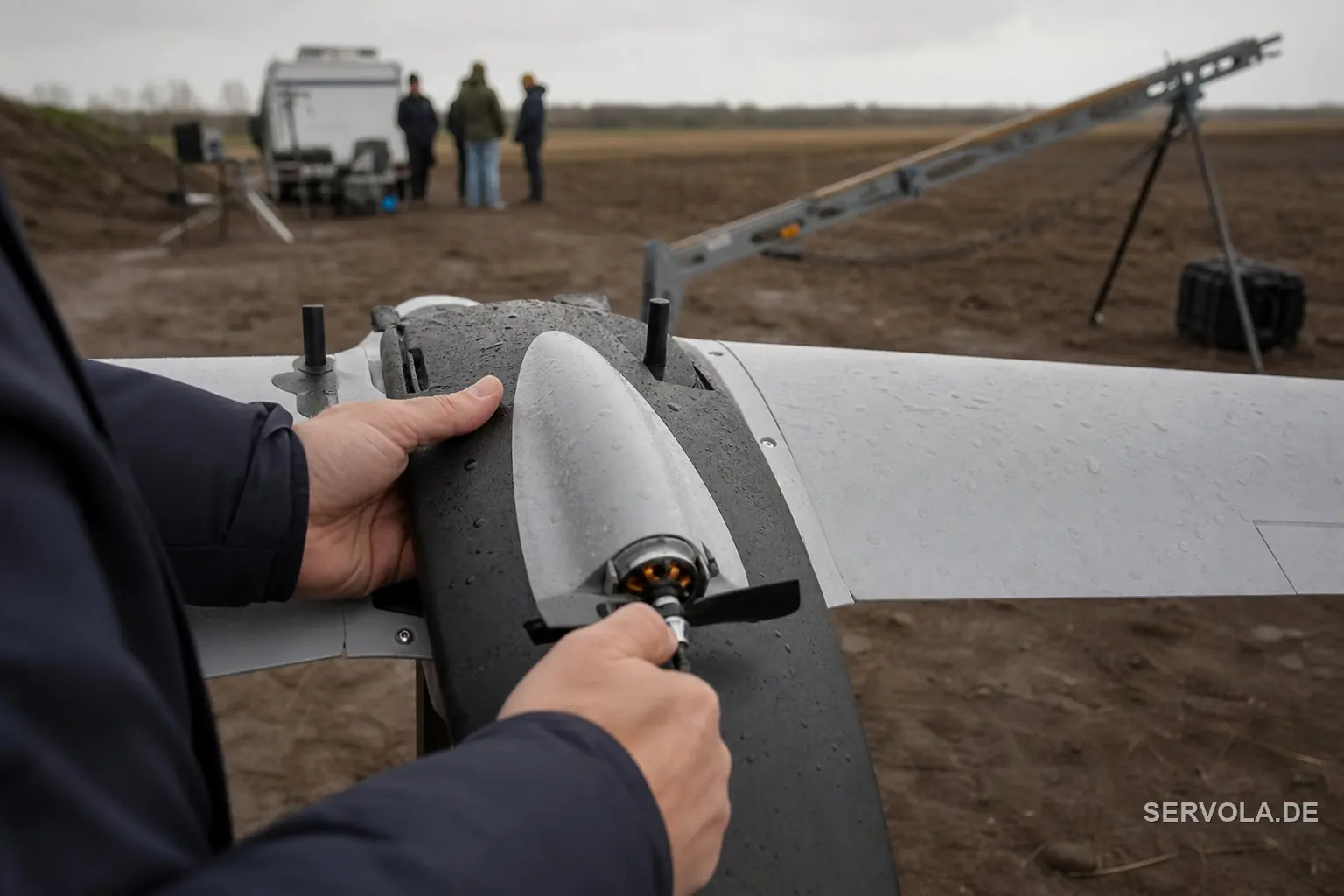
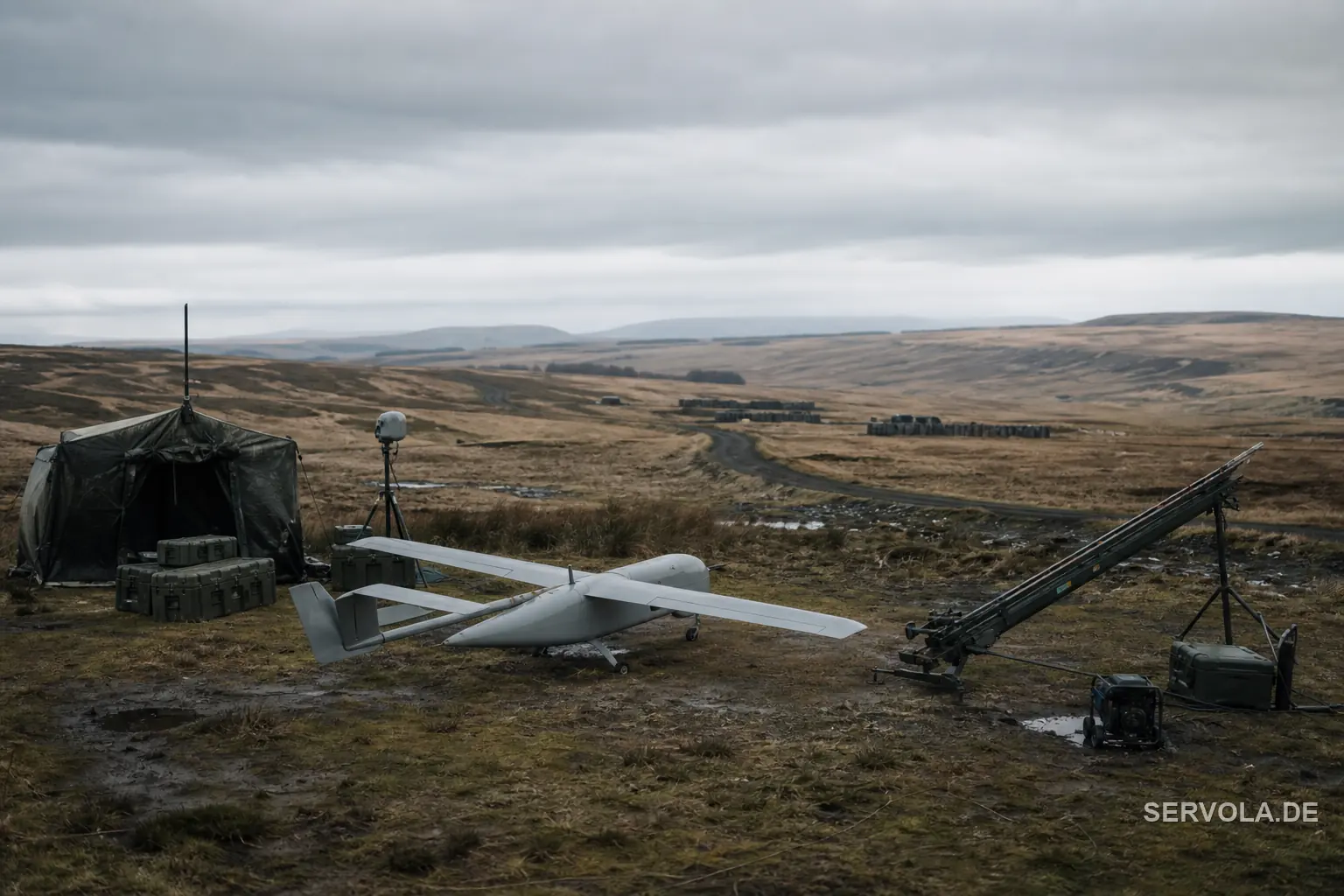
On 23 September, Tekever announced the first close of a $580 million Series D at a $6.4 billion valuation, led by UC Investments and Baillie Gifford. The round landed eight days after Britain's Ministry of Defence picked the same company's AR5 drone for its CORVUS program, a contract worth up to 400 million pounds over ten years that replaces the British Army's aging Watchkeeper fleet.
Tekever was founded in Portugal and is now headquartered in the UK. Its drones have logged more than 50,000 operational flight hours over Ukraine since the war began in 2022, the track record investors kept citing when the round closed.
Why It Matters: Proof Priced Higher Than Promise
Six months ago Tekever was valued at $1.28 billion. The new round puts it at $6.4 billion, and Baillie Gifford's Chris Evdaimon called the company "a rapidly growing and already profitable company, a rare combination in defence, national security and space start-ups." Most venture-backed defense hardware makers burn cash for years before a single unit ships. Tekever is already turning a profit while shipping thousands of flight hours a month over an active war zone.
Founder and CEO Ricardo Mendes framed the money as an endorsement rather than a lifeline: "This investment represents far more than a capital raise. It brings together an exceptional group of investors around a shared ambition for what Tekever is becoming." New strategic investor Merlyn Advisors joined existing backers Crescent Cove, Ventura Capital and Iberis Capital, and Tekever expects additional closings of the same Series D with further strategic investors in the coming months.
The Wider Money Is Not Slowing Down
Tekever is not an outlier. Global venture funding into defense technology reached $49.1 billion in 2025, nearly double the $27.2 billion invested in 2024, and Europe alone now counts at least three drone and autonomous-systems unicorns.
| Company | Valuation | Base |
|---|---|---|
| Helsing | $18 billion | Germany |
| Quantum Systems | $8 billion | Germany |
| Tekever | $6.4 billion | Portugal/UK |
The three companies compete for the same government contracts and the same war-zone data, and each round resets what a fourth entrant would need to raise just to be taken seriously. A European buyer choosing between them is no longer choosing between a startup and an incumbent. It is choosing between three well-capitalized companies with combined valuations north of $32 billion.
What This Means If You Sell Into Defense or Government Procurement
For a supplier or contractor watching from outside the drone sector, the lesson is not about drones specifically. European governments are now willing to replace an existing, already-funded program, Watchkeeper cost the UK hundreds of millions over two decades, rather than patch it, and capital markets will reward the company that wins that replacement with a five-times valuation inside six months.
Any vendor whose product depends on an aging government program staying in service should treat Watchkeeper's replacement as the template, not the exception. Budgets that look locked in can move fast once a better-proven alternative exists, and the capital is already lined up to fund whichever company proves it first.
Read next: Mistral's Own Chip Suppliers Just Became Its Owners | $13 Billion for a Factory, Not a Lab