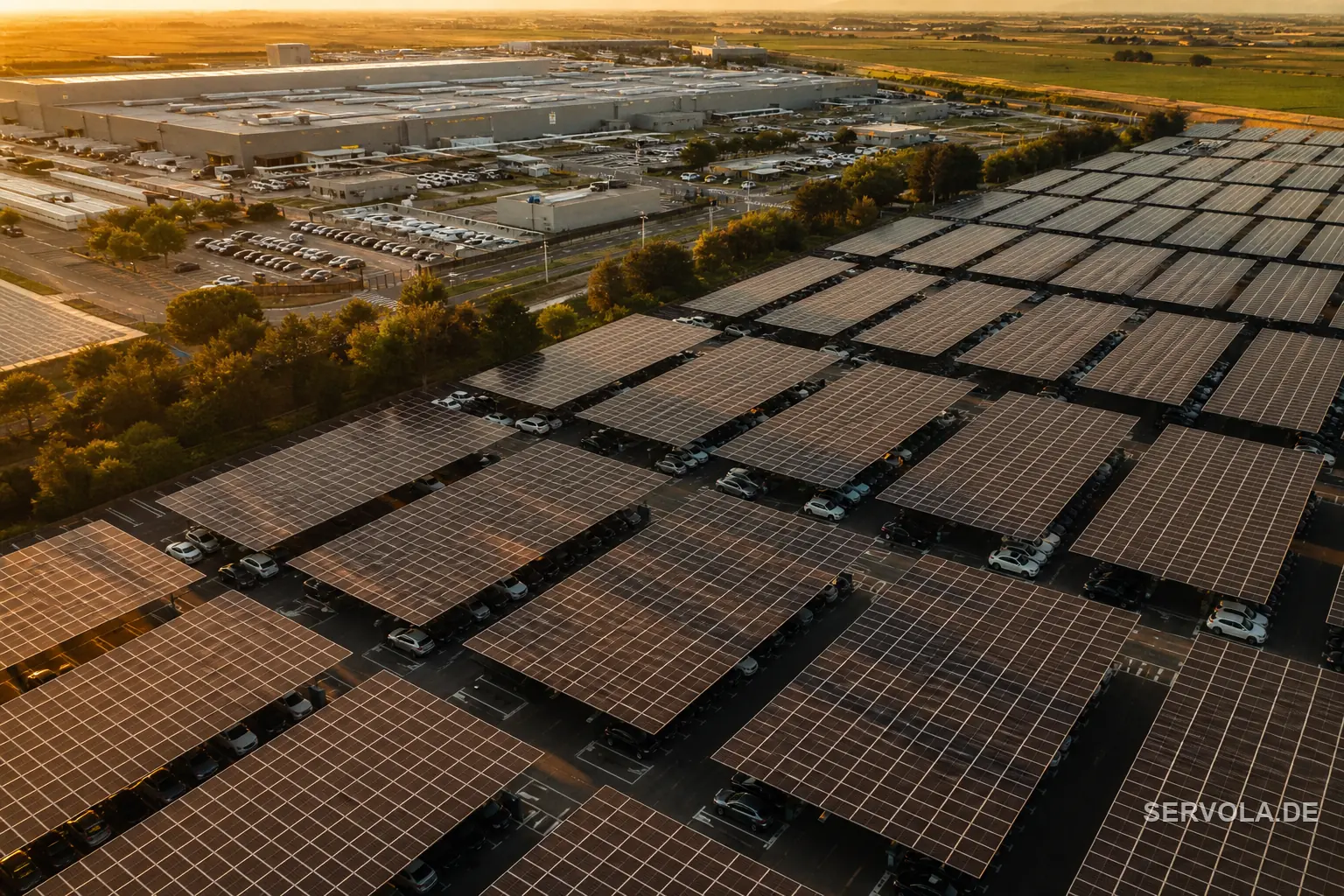
BMW's Munich plant starts building the reset
BMW's Munich plant began production of the reborn i3 in August 2026, the first Neue Klasse saloon to enter series production at the company's home factory. The car revives a nameplate BMW retired in 2022 and rebuilds it around an 800-volt architecture and a 108.7kWh battery pack shared with the Neue Klasse iX3 SUV.
UK order books for the i3 50 xDrive First Edition opened on 18 June 2026, with the standard i3 50 xDrive now open for order ahead of autumn 2026 deliveries. PistonHeads and Motoring Research both confirmed the same specification and pricing when BMW released UK figures, and the Electric Car Scheme separately verified the Munich production start and delivery window.
The numbers that move the needle
The standard i3 50 xDrive starts at GBP 53,005 on the road and returns up to 567 miles on the WLTP cycle, while the launch-specification First Edition starts at GBP 57,905 and returns up to 563 miles, the small drop coming from its larger wheels and extra equipment. Both versions share the same 469hp, 345kW dual-motor all-wheel-drive powertrain, reach 62mph from a standstill in 4.7 seconds, and can add roughly 263 miles of range in ten minutes on a 400kW DC charger.
| Model | UK price (OTR) | WLTP range | Power | 0-62mph |
|---|---|---|---|---|
| BMW i3 50 xDrive | GBP 53,005 | up to 567 miles | 469hp / 345kW dual-motor AWD | 4.7s |
| BMW i3 50 xDrive First Edition | GBP 57,905 | up to 563 miles | 469hp / 345kW dual-motor AWD | 4.7s |
| Tesla Model 3 Long Range AWD | GBP 49,990 | up to 410 miles | Dual-motor AWD | n/a |
Tesla's own Model 3 Long Range all-wheel-drive, the nearest volume rival by price, starts lower at GBP 49,990 but returns up to 410 miles WLTP, a gap of more than 150 miles for roughly GBP 3,000 less. BMW has effectively priced 157 extra miles of certified range into the difference, a trade fleet buyers have not been offered at this price tier before.
A tax rate most fleet budgets have not caught up with
The new i3 also lands inside HMRC's most favourable company-car tax band, taxed at 4% of list price as a zero-emission vehicle for the 2026/27 tax year against up to 37% for an equivalent petrol saloon, a treatment set out for fleet buyers by the Electric Car Scheme. For a higher-rate company-car driver, the gap between a 4% and a 37% benefit-in-kind band is worth thousands of pounds a year regardless of what the car itself costs to buy.
That tax gap was already available on plenty of shorter-range EVs, so it is not new by itself. What is new is a car with saloon proportions, sub-5-second performance and near-570-mile range now sitting inside that same 4% band, removing the last excuse - insufficient range - that higher-rate drivers used to defer switching from a diesel or petrol company car.
The TCO math this forces fleet operators to re-run
Most fleet electrification plans built their range-anxiety buffer around EVs returning 250 to 350 miles WLTP, and priced a second high-range charging stop, a larger duty-cycle margin, or a slower rollout into their total cost of ownership models to cover that gap. A car returning up to 567 miles at GBP 53,005 removes the assumption those buffers were built on, so any TCO model still carrying that older range figure for its 'premium EV' line item is now working from a stale input, not a conservative one.
The consequence is not that fleets should rush to order i3s. It is that any operator who deferred an electrification decision until 'the next generation delivers more range' has just watched that next generation arrive, at a lower starting price than many assumed, which means the honest move is to re-run the TCO comparison now, with these numbers, rather than waiting for a further improvement that may not land on this timeline again.
What changes before the next fleet order goes in
Fleet managers evaluating electrification timelines should treat this launch as a new baseline for three inputs: the range figure used in the range-anxiety buffer, the benefit-in-kind saving assumed for higher-rate drivers, and the price ceiling used to judge whether a premium EV is now within a mainstream fleet budget. Each of those inputs just moved in the same direction at once, which rarely happens with a single model launch.
BMW's Munich plant is scheduled to keep building the i3 through the autumn 2026 delivery window, giving fleet operators a concrete order date to plan against rather than an open-ended wait. Servola Tech Desk will track how rival premium brands respond on price and range once autumn deliveries begin.
Read next: 8.7 Million Airport Records Leaked in One Breach | BYD's Denza Prices an EV Like a Porsche