Two more sites, one unproven factory
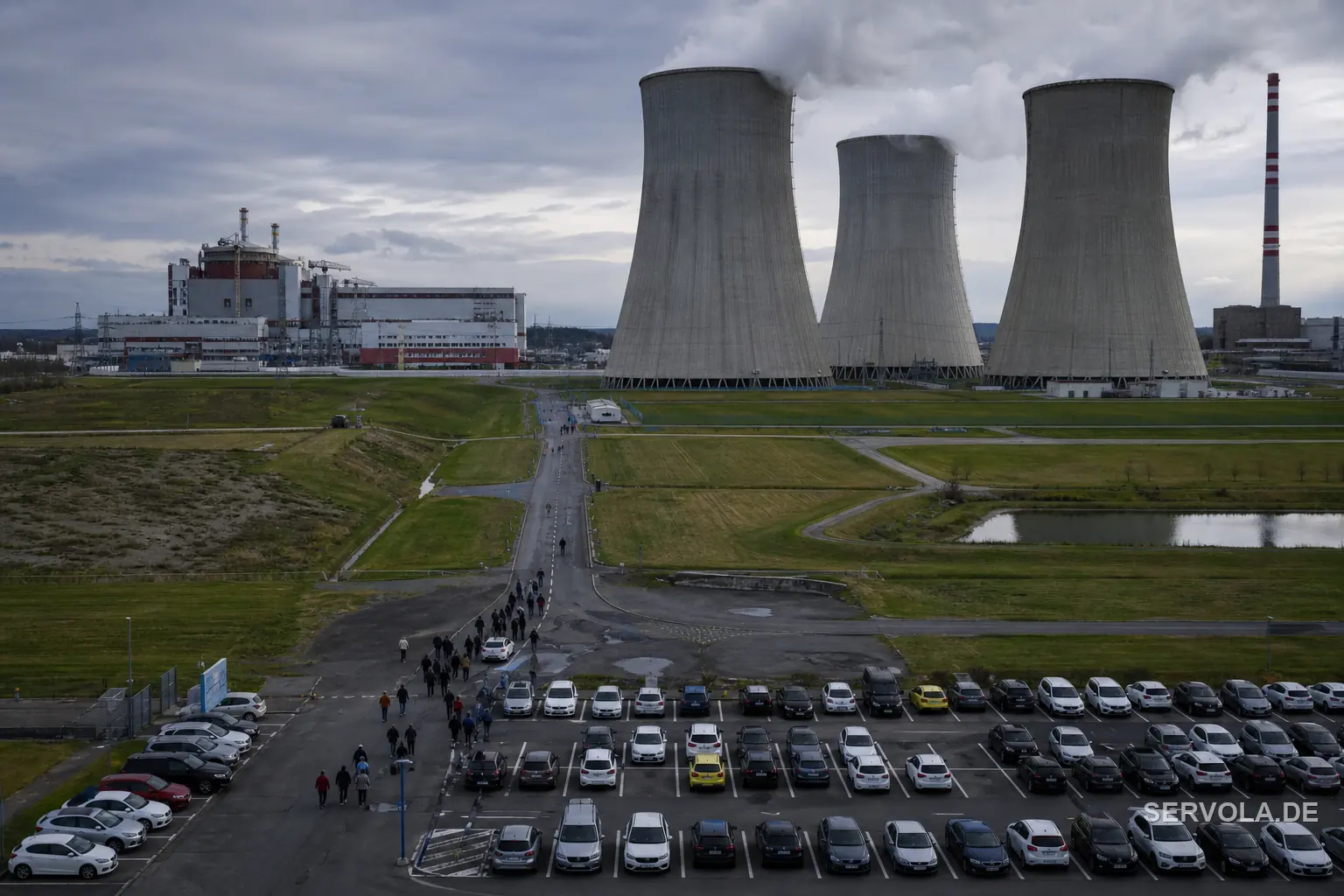
The memorandum signed on July 21 adds Tusimice, in the Usti nad Labem region, and Detmarovice, in Moravia-Silesia, to Temelin as the third and fourth locations in CEZ's small modular reactor programme. It turns what had been a single pilot commitment into a standing order for a fleet: at least six Rolls-Royce SMR units spread across three sites, with the ministry, CEZ and Rolls-Royce SMR describing the goal as up to 3 gigawatts of capacity in Czechia alone.
Each unit is rated at 470 MWe and is designed to be built roughly 90 percent offsite, with modules as large as 16 by 4 metres shipped to the site rather than poured and welded in place, and a stated 60-year operating life. That manufacturing model, not any single reactor's performance record, is the entire premise of the deal: no Rolls-Royce SMR unit has yet been built, connected to a grid, or licensed to operate commercially anywhere in the world.
Locking capacity before the regulator finishes
Rolls-Royce SMR's 470 MWe design had, as of the Czech signing, completed only Step 2 of the UK's Generic Design Assessment and was working through Step 3, the final and most detailed phase, which the Office for Nuclear Regulation expects to conclude around August 2026 - after the memorandum was already signed. A Design Acceptance Confirmation, the document that formally certifies the design is safe to build, had not yet been issued.
Nuclear projects normally wait for that kind of certification before multiplying unit commitments, precisely because a late-stage regulatory finding can still require design changes. Signing for three sites and six units ahead of that milestone reads less like a technology bet and more like a capacity reservation: with Sweden already the most active SMR buyer in Europe and roughly 46 SMR projects competing for vendor attention and factory slots across the continent, Czechia is queuing for Rolls-Royce SMR's limited near-term manufacturing output before its neighbours do.
What CEZ is actually protecting against
For a state utility, reserving three sites' worth of factory capacity now, rather than waiting for a fully certified design and a demonstrated unit, secures a place in a finite production queue - at the cost of concentrating exposure to a single foreign vendor whose flagship product is still mid-review. CEZ is not betting the whole balance sheet on that one horse: it is separately building the large Dukovany APR-1000 units with Korea's KHNP, targeted for construction start around 2029, so Czechia is now running two parallel nuclear bets with two different vendors on two different technology classes at once.
The trade-off is straightforward. If Step 3 of the UK assessment surfaces a required design change, as late-stage regulatory reviews sometimes do, CEZ carries that exposure across three sites rather than one - a portfolio-scale consequence for a bet placed before the design was portfolio-ready.
Read next: One Reactor Design Just Signed Deals in Two Countries | EU Gas Storage Trails Schedule Before Winter