CMA Watchdog Flags Gaps Without Blocking Sizewell B Deal
The Subsidy Advice Unit (SAU), the Competition and Markets Authority's dedicated subsidy-review arm, published its full report on the Sizewell B subsidy case on 3 September 2026, and the report does not block the deal. It examines a proposed Contract for Difference (CfD) that the Department for Energy Security and Net Zero (DESNZ) is preparing for EDF Energy Nuclear Generation Ltd, covering a redacted subsidy range of GBP 1 billion to GBP 5 billion over a 20-year term.
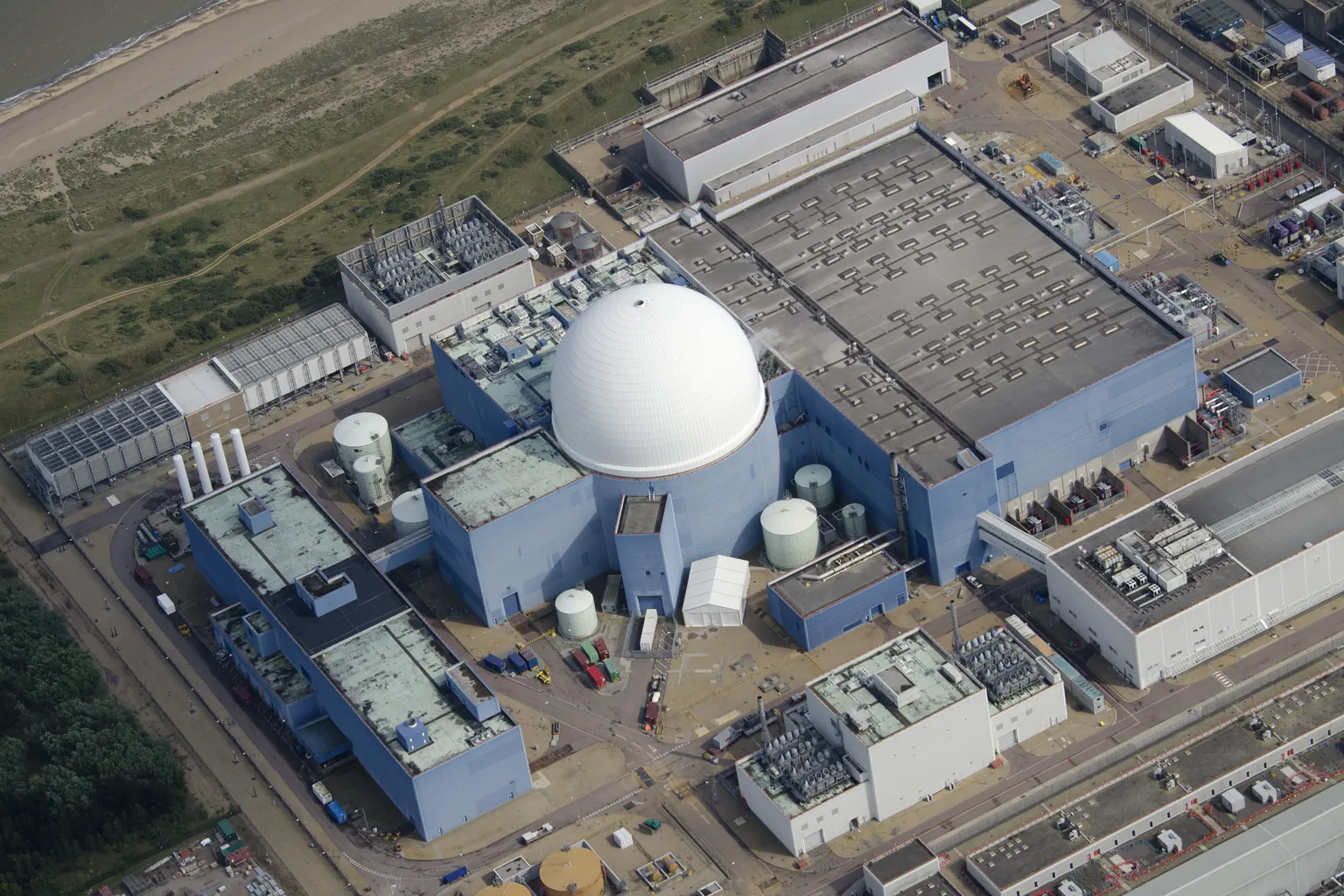
The purpose of the contract is to keep Sizewell B running until 2055 rather than letting it close around 2035, when its current operating life would otherwise end. Sizewell B has been generating power since 1995, supplies about 3 percent of UK electricity, and powers roughly 2.5 million homes, according to the SAU report itself.
What the Contract for Difference Actually Pays
The CfD sets a strike price of GBP 70.50 per megawatt-hour at 2025 prices, settled bidirectionally against the Low Carbon Contracts Company (LCCC). When the market price sits below that strike price, EDF receives a top-up payment; when the market price rises above it, EDF pays the difference back to the LCCC.
Alongside the CfD, EDF has separately committed to fund GBP 800 million of refurbishment work over 15 years, and the wider deal is described as protecting around 900 jobs. The table below sets the key figures and dates side by side.
| Milestone or figure | Value |
|---|---|
| Sizewell B start of operation | 1995 |
| Original expected closure | Around 2035 |
| New closure date under the CfD | 2055 |
| CfD strike price (2025 prices) | GBP 70.50 per megawatt-hour |
| EDF refurbishment commitment | GBP 800 million over 15 years |
| Proposed subsidy range (redacted) | GBP 1 billion to GBP 5 billion over 20 years |
Three Compliance Gaps Named at Paragraph 1.6
The SAU's report names three specific gaps in DESNZ's own justification for the subsidy, set out at paragraph 1.6(a) to (c) of the report. First, DESNZ did not adequately explain why it rejected non-subsidy alternatives to the CfD, a gap that maps to the government's own Principle E test for subsidies.
Second, DESNZ did not stress-test what would happen if the deal did not go ahead, the counterfactual required under Principle C. Third, DESNZ did not demonstrate that the curtailment-compensation terms built into the deal are the minimum necessary rather than simply generous, a gap tied to Principle B.
A Thirty-Year Guarantee While New Demand Waits in a Queue
The same UK government that is asking large electricity users to wait years for new grid capacity is fast-tracking a 30-year guaranteed-price contract for a plant that has already run for three decades. Under Ofgem's separate grid-connection-queue reform, new data-centre and other large power connections in the UK are being queued for roughly 7 to 13 years, while Sizewell B is set to receive a guaranteed strike price and guaranteed operating life running all the way to 2055.
The CMA's own competition watchdog telling DESNZ it under-explained its own justification for locking in that guarantee is the clearest evidence so far of how the trade-off plays out in practice: procedural rigor gives way once government has already decided on the outcome it wants.
What Long-Term UK Power Buyers Should Take From This
A large power buyer in the UK should read the Sizewell B case as a preview, not an isolated exception. As government leans harder on nuclear plant extensions and gas-peaker contracts to backstop AI-driven demand growth, more CfD-style guaranteed contracts are likely to land with the same kind of imperfect due diligence the SAU has just flagged in this one.
That pattern carries a direct cost-and-risk implication. A guaranteed-price contract agreed without a fully stress-tested counterfactual or a demonstrated minimum-necessary compensation structure leaves open the question of who absorbs the difference if demand growth or plant performance do not match the projections behind the deal.
Read next: Britain Just Said AI Counts as a Search Engine | France Clears Site Prep, Not Build, At Gravelines