The State That Would Not Sign
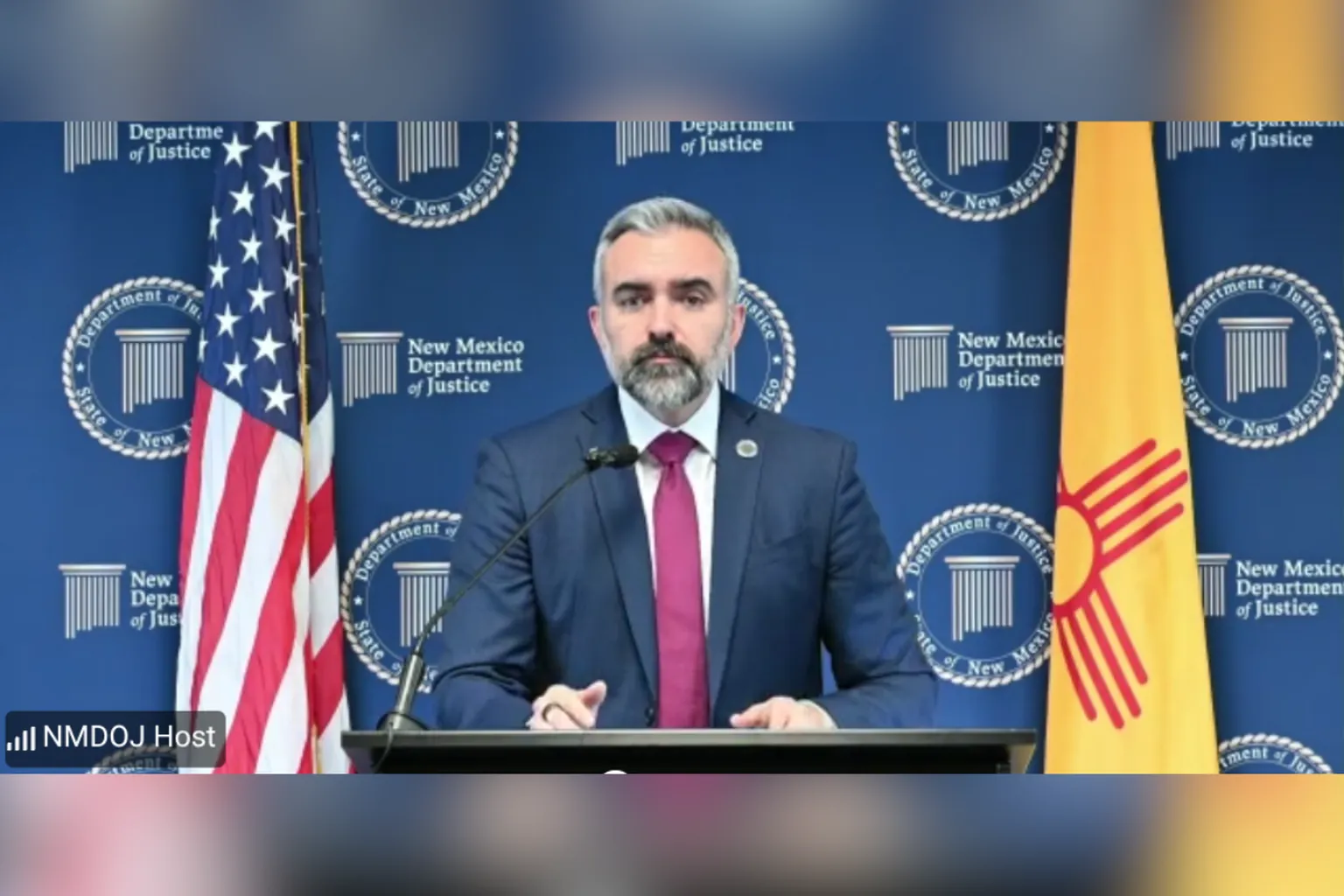
In August, 48 states settled their claims against Meta over the Cambridge Analytica scandal for roughly 18 billion dollars. The deal came with a release clause that closed off further liability for the data harvest that let a political consulting firm target voters with harvested Facebook profiles during the 2016 election. New Mexico's attorney general, Raul Torrez, refused to sign it and took the state's claim to a jury in Santa Fe instead.
On September 25, that jury delivered its answer. It found that Meta willfully violated New Mexico's Unfair Practices Act 43,899,720 times, siding with the state on 31 of the 34 questions it was asked. Each violation carries a penalty of up to 5,000 dollars, which puts Meta's maximum exposure at roughly 219.5 billion dollars, a number larger than the 18 billion dollar settlement every other state accepted.
What the Jury Actually Found
Jurors reviewed public statements Meta made across five areas: how much control users had over their data, misinformation, hate speech, equal enforcement of its own community standards, and the investigation the company promised after Cambridge Analytica broke. They found willful violations in all five, and ruled Meta's conduct in every category met the state's standard for an unconscionable trade practice.
The Cambridge Analytica category alone accounted for more than 18.1 million of the violations. New Mexico's Department of Justice says roughly 350,000 residents had their profile data directly exposed in the original 2018 breach, while state attorneys argued the company's broader pattern of deception harmed more than two million people in the state.
A Third Loss in the Same Year
New Mexico has now beaten Meta in court three times in 2026 alone, each time under the same state consumer protection statute.
| Case | Ruling date | Amount |
|---|---|---|
| Youth mental health, civil penalties | March 2026 | 375 million dollars |
| Youth mental health, public nuisance abatement | August 2026 | 567 million dollars |
| Cambridge Analytica, data and misinformation claims | September 25, 2026 (liability only, penalty pending) | Up to 219.5 billion dollars, ceiling |
Why the Real Number Will Not Be 219.5 Billion
The 219.5 billion dollar figure is a ceiling, not a forecast. District Judge Francis Mathew, not the jury, will decide how much Meta pays per violation, anywhere from a token amount up to the 5,000 dollar cap, and the March case set the pattern: a jury found Meta liable, and the penalty that followed, 375 million dollars, was a small fraction of what the statute technically allowed. Torrez has said he instructed his trial team to seek the maximum, but his own office expects a ruling within weeks, not the ceiling figure making headlines today.
Meta has said it disagrees with the verdict and can appeal, a process Torrez estimated could run two to three years with post-judgment interest accruing throughout. The company has already pointed to remedial steps it took after 2018, including suspending 125,000 apps that misused user data and building new review programs, arguments a judge will weigh when setting the actual penalty.
The Decision Lesson
The operator lesson here has nothing to do with the size of the number. Meta and 48 state attorneys general treated an 18 billion dollar, multistate settlement as a closed matter, the kind of deal companies rely on to convert scattered, expensive litigation risk into one predictable payment. It was not closed. One state's attorney general read the release clause, decided the claim was worth more litigated than settled, and now has a jury verdict that could out-value the entire 48-state deal on its own.
Any company negotiating a nationwide settlement should treat every signature as a discrete point of failure, not a formality, and weigh harder the states whose attorneys general have already shown, through earlier litigation, that they are willing to walk away from the table and let a jury decide instead.
Read next: New Mexico Turns a Meta Fine Into a Design Mandate | Meta's AI Built A Profile Of A Child Nobody Asked For