A Queue That Tripled in Eight Months
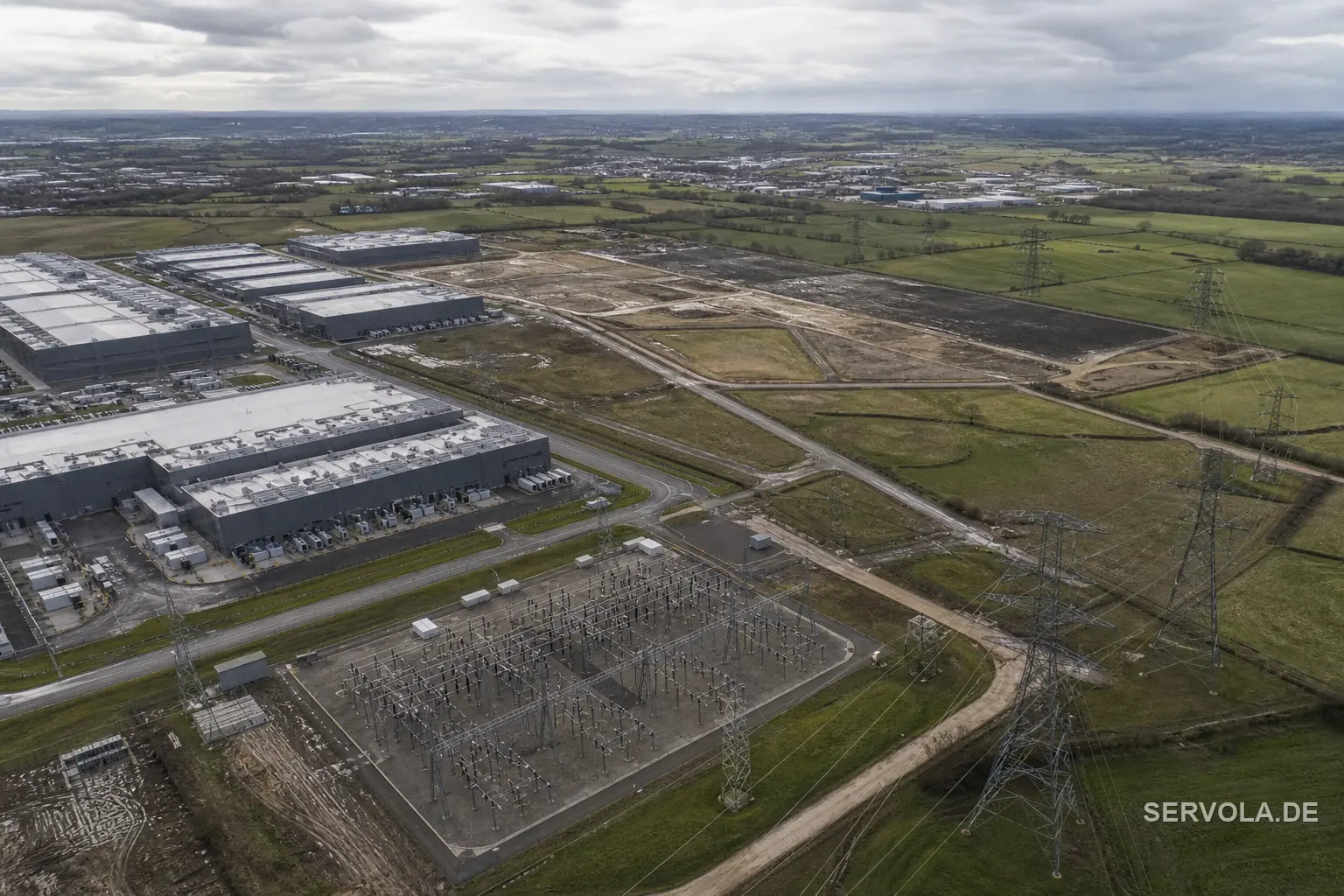
In November 2024, Britain's electricity network operators counted 41 gigawatts of demand connection requests waiting in the queue. By June 2025, that figure had rocketed to 125 gigawatts, more than tripling in under a year without a single new substation built to match it.
On 29 July 2026, Ofgem, the UK's energy regulator, published a consultation naming the culprit: speculative "zombie" data centre projects that apply for grid capacity with no firm intention, or financial capacity, to ever build. The regulator's own numbers are stark. Some 315 individual data centre projects are queued for roughly 73 GW of capacity, about 1.6 times the UK's entire peak electricity load, while data centres overall account for at least 80 GW of the total queue.
"Britain's electricity demand connections queue has more than tripled in size in less than a year, and consumers should not bear the risks created by speculative projects taking up space in the system," said Eleanor Warburton, Ofgem's Director for Energy System Design and Development.
How the Commitment Fee Actually Works
The fix Ofgem is consulting on is blunt: a Data Centre Commitment Fee of between GBP 237,500 and GBP 712,500 per megawatt, payable the moment a developer accepts a grid connection offer. That range represents roughly 2.5 to 7.5 percent of the average cost of building the project itself, a substantial capital outlay.
The fee is not a tax. It is refunded in full once the project reaches energisation, the point at which it actually connects to the grid and starts drawing power. If the developer instead exits the queue before that point, the fee is forfeited entirely.
The consultation is open for comment until 16 September 2026, giving developers, financiers and grid operators roughly six weeks from publication to respond before Ofgem decides whether, and how, to implement it.
A New Line on Every Capacity Business Case
For anyone actually planning UK data centre capacity, or advising a client who is, this changes the arithmetic of a capacity reservation. Until now, applying for a grid connection cost little beyond paperwork and patience. A company could hold a slot in the queue indefinitely while it shopped for tenants, financing or a better site, with no financial penalty for never building.
Under the proposed fee, holding that slot now requires posting real capital, hundreds of thousands of pounds per megawatt, the moment an offer is accepted, and that capital stays at risk until the project is actually energised. For a 50 MW facility, that is a commitment of GBP 11.9 million to GBP 35.6 million sitting on the balance sheet or in escrow, refundable only on delivery.
That is a financing test as much as a policy one. Developers now need committed capital behind a term sheet or letter of intent before they accept a connection offer. That filters out exactly the speculative applicants Ofgem is targeting, while raising the bar for genuine builders too.
Real Builders Move Up the Queue
The practical effect is a reshuffling of who gets power first. Speculative reservers who cannot post the commitment fee will be forced to drop out or decline their connection offers, freeing up grid capacity that genuine, funded projects have been waiting behind for months or years.
For operators and investors with committed capital ready to deploy, that is an opening. Projects that were queued behind capacity-hoarding rivals may now find themselves closer to the front, since the fee is designed to clear out reservations that were never going to be built. Financing readiness becomes a competitive advantage in the queue itself, ahead of construction ever starting.
Will the Rest of Europe Follow
Britain is not alone in facing a grid queue swollen by speculative data centre demand. Ireland and the Netherlands have both wrestled publicly with similar connection backlogs as AI driven capacity demand outpaces substation build out. Ofgem's commitment fee is the first concrete UK attempt to price that speculation out of the system rather than simply ration it on a first come, first served basis.
If the mechanism works as intended, clearing genuine capacity for real builders without deterring legitimate investment, it gives other European regulators grappling with the same queue clogging problem a tested model to consider, rather than a theoretical one.
Read next: France's AI Data Centre Shortcut Has an Expiry Date | Five Data Centres Bought Their Way Past the UK's Grid Queue