A hydropower region plans for gas
On August 13, the Northwest Power and Conservation Council published its draft Ninth Northwest Power Plan, the latest edition of a 20-year regional forecast the council has produced roughly every five years since Congress created it in 1980 to balance electricity supply, fish and wildlife across the Columbia River system. This edition's headline number is a demand forecast of 50 to 100 percent growth over the next two decades, a range the council attributes explicitly to data centers, the electrification of vehicles and buildings, and straightforward population growth across Washington, Oregon, Idaho and western Montana.
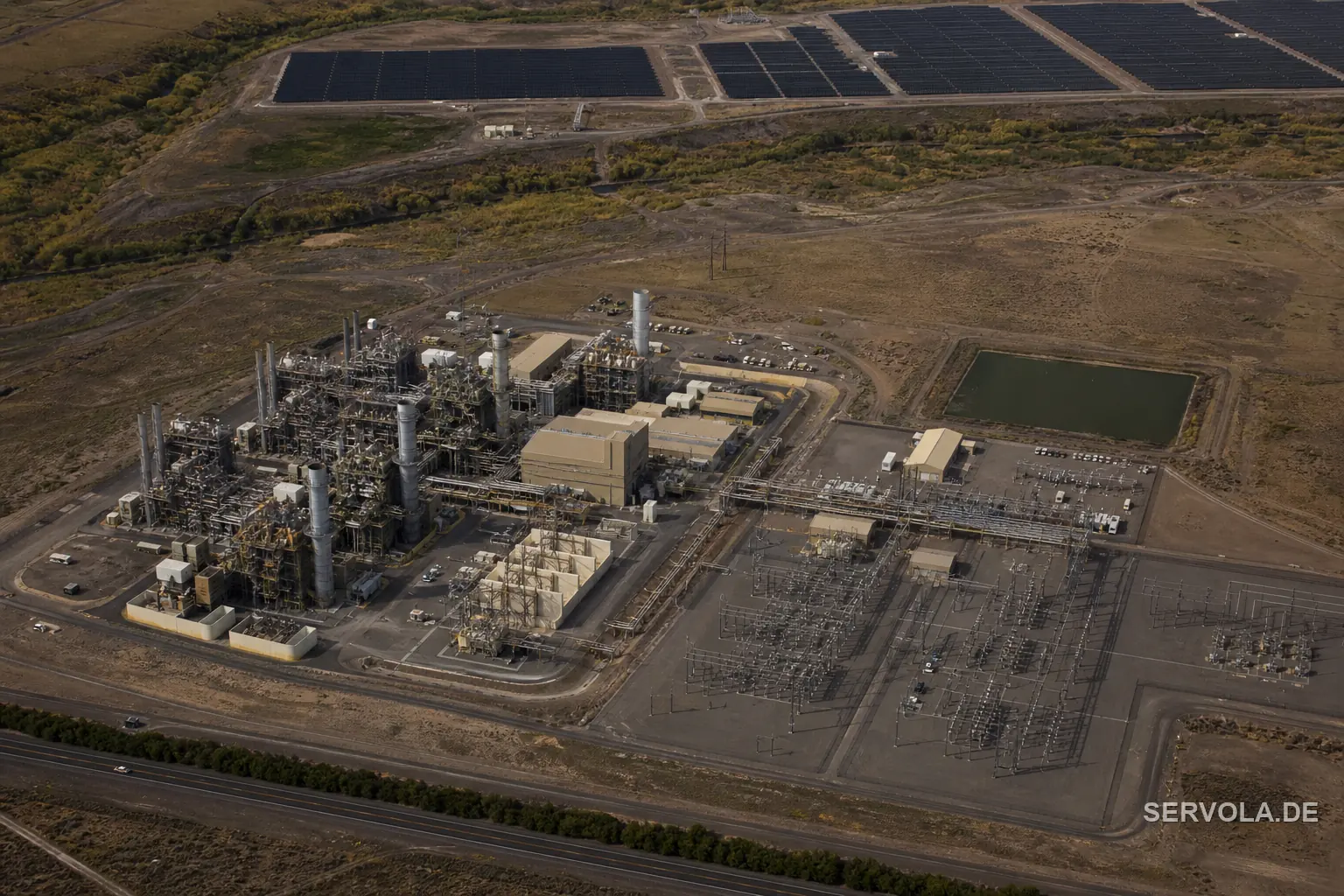
To cover that range reliably, the draft recommends adding roughly 11,000 megawatts of new generation by 2032: about 9,000 MW of wind and solar, and up to 2,100 MW of new natural gas, with Washington state alone assigned 500 to 1,250 MW of that gas. For a region where Bonneville Power Administration hydropower still carries roughly three-quarters of the grid, and where the wildfire- and salmon-focused politics of new fossil generation have been difficult for decades, recommending new gas plants at all is itself the story a wind-and-solar headline would miss.
Storage is not doing the whole job
The plan pairs that generation with 5 gigawatts of battery storage and 590 megawatts of demand response - resources regional utilities have leaned on for years to argue that intermittent renewables can substitute for fossil capacity. Power planning director Jennifer Light framed the choice plainly: no single resource on its own can meet the region's growing need for energy, and only a portfolio of cost-effective resources balances economics, efficiency, reliability and adequacy.
That framing is itself an admission. A council whose prior plans leaned on efficiency and renewables to avoid new fossil capacity is now recommending up to 2.1 gigawatts of gas specifically because storage and renewables, even at 9 GW and 5 GW respectively, cannot be relied upon to cover a demand curve that could double. The gas is not a preference; it is the reliability backstop the higher end of the forecast requires.
Utilities must now plan with data centers, not around them
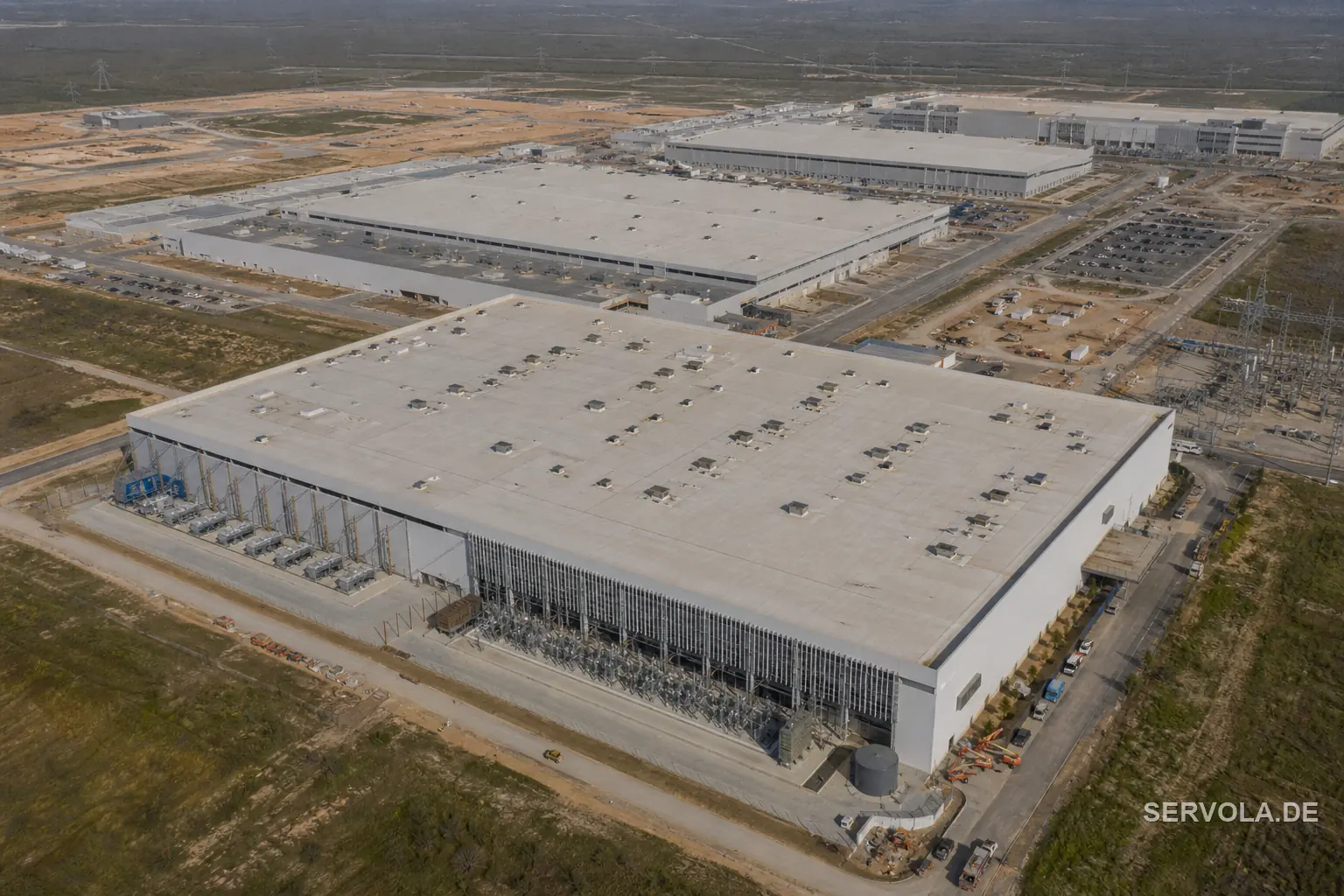
The draft also marks a procedural shift: for the first time, the council is recommending that utilities coordinate directly with data center developers on resource planning, rather than treating large loads as background demand growth to be absorbed later. That is a tacit admission that data centers have become large and unpredictable enough, in a region that has historically exported cheap hydropower, to need their own seat at the planning table.
The draft is open for public comment through October 16, 2026, ahead of a final plan expected by the end of 2026 or early 2027, at an estimated implementation cost near 2.3 billion dollars. Whatever the final gas number lands on, the plan already establishes that the Pacific Northwest, a region that built its climate identity on cheap hydropower, now treats new fossil generation as a line item its own regional planners consider necessary, not optional, to keep pace with AI-driven load growth.
Read next: European Gas Just Hit Its Highest Price Since 2023 | Drone Strikes Found the Ceiling on Cloud Backups